
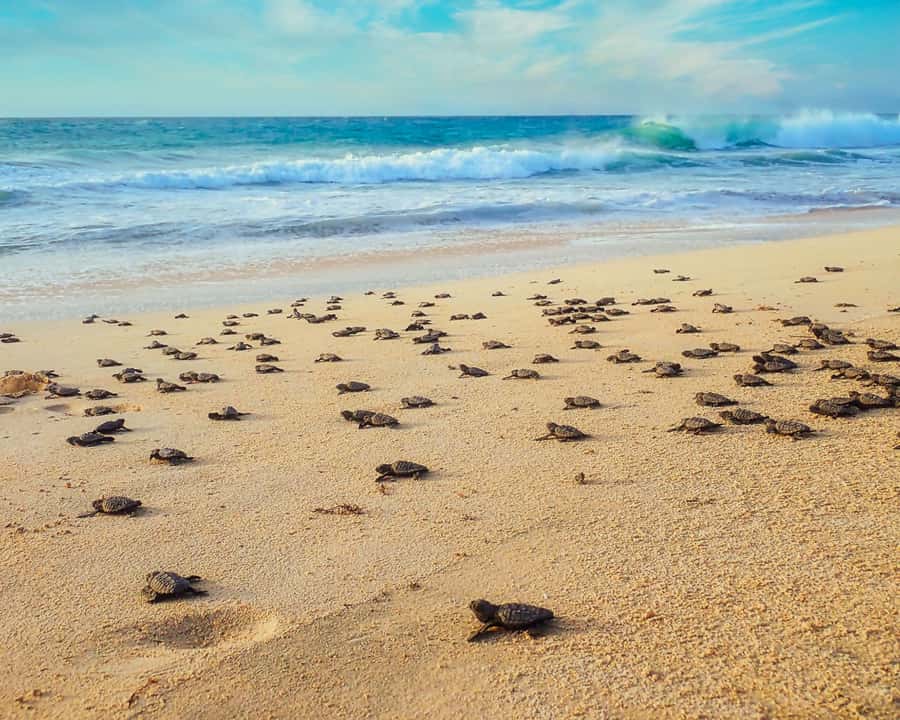
Reviewed · TURTLE WATCHING
Boavista by Moonlight: The Sea Turtle Experience
Moonlit beaches make wildlife feel wonderfully close. On this three-hour night tour, you travel from your hotel to a quiet Boavista beach to watch loggerhead turtles emerge from the sea, dig nests, lay eggs, and return to the water. I like the small group of no more than seven people, which should make quiet observation easier, and I like that an experienced guide handles the eco-friendly lighting instead of leaving visitors to shine torches at the turtles.
The main consideration is that this is a wild animal encounter, not a staged show. A turtle may appear slowly, arrive at a difficult moment, or not be seen as expected. You also need to accept strict rules: no flash photography, flashlights, noise, or speakers. For some people, that restraint is the point. For others, it may make the evening feel less active than a standard sightseeing tour.
In This Review
- Key points before you book
- Why Cape Verde matters to loggerhead turtles
- Hotel pickup keeps the evening simple
- A low-light beach sets the right mood
- The briefing explains what you are about to see
- Watching a loggerhead emerge from the ocean
- Nesting, egg laying, and the return to sea
- Why the no-flash rule matters
- A small group changes the feel of the outing
- What the $88 price really covers
- Who will enjoy this night on the shore
- A practical plan for a better evening
- Booking flexibility and final decision
- FAQ
- Where does Boavista by Moonlight take place?
- How long does the sea turtle experience last?
- How much does the experience cost?
- Are hotel transfers included?
- What languages does the guide speak?
- How many people are in the group?
- Can I use a flashlight or flash photography?
- What is not included in the price?
Key points before you book
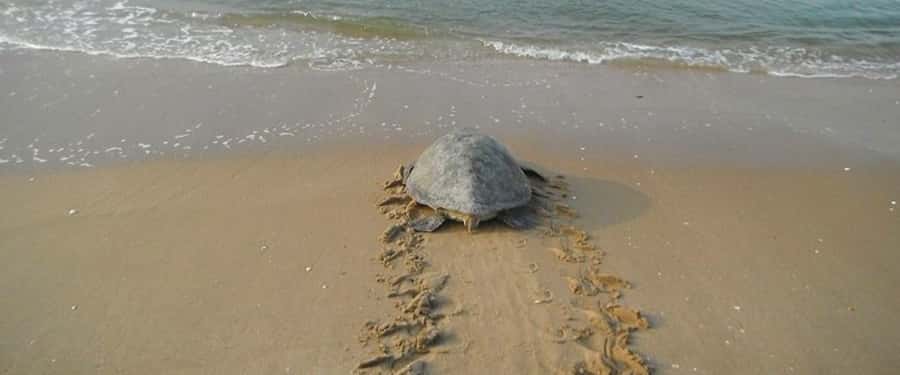
- Loggerhead turtles at a major nesting site: Cape Verde is one of the world’s important nesting areas for Caretta caretta, the loggerhead sea turtle.
- A quiet beach chosen for nesting: The guide takes you to a calm shore with low light and conditions suited to turtles.
- A three-hour evening outing: Hotel pickup, transport, the briefing, wildlife watching, and return are all built into the experience.
- Small group size: The tour is limited to seven participants, a useful feature for a sensitive wildlife encounter.
- Guide-controlled lighting: You do not bring a flashlight. The guide operates eco-friendly lighting designed to reduce disturbance.
- Flexible booking: You can cancel up to 24 hours before the tour for a full refund, and reserve now while paying later.
Why Cape Verde matters to loggerhead turtles
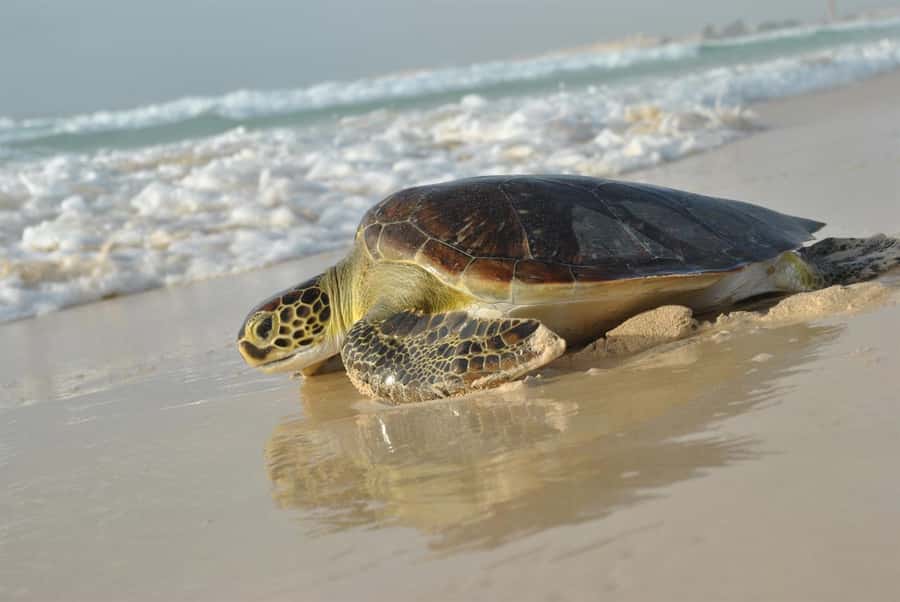
The reason this experience matters goes beyond seeing a large animal on a beach. The Cape Verde Islands are one of the world’s important nesting sites for loggerhead turtles, known scientifically as Caretta caretta. A female turtle that comes ashore is following an old natural cycle: leaving the ocean, finding a suitable patch of sand, digging a nest, laying eggs, and making the slow trip back to the water.
That process can feel surprisingly quiet and deliberate. The turtle is not performing for an audience. You are watching instinct and effort at work, with the animal setting the pace.
The tour’s value comes partly from this setting. You are not visiting an aquarium or a rescue center with a guaranteed viewing window. You are going to the shore at night and waiting for a natural event. That brings a little uncertainty, but it also gives the encounter its meaning.
More Turtle Watching in Boa Vista
- Boa Vista: Shark, Turtles, Cave, Sandboarding & Tasting Tour
★ 4.8 · 328 reviews - Boavista: Turtle, Shark, Santa Monica, Sandboard & Tasting
★ 4.7 · 228 reviews - Boa Vista: Beautiful Beaches, Turtles & Djeu Island Snorkel
★ 4.6 · 100 reviews
Hotel pickup keeps the evening simple
Your night begins with pickup from your hotel by a professional guide. Transportation is included, so you do not need to arrange a taxi to an unfamiliar beach after dark. That is especially useful for an evening activity where the final destination is deliberately kept quiet and away from bright lights.
The exact starting time depends on availability and the nesting conditions for the outing. You should check the available departure time when booking rather than assume a fixed hour.
The transfer is part of the practical value of the tour. At $88 per person, you are paying for more than a few minutes watching turtles. The price also covers the guide, transport, hotel return, wildlife briefing, and the careful handling of a sensitive night environment.
A low-light beach sets the right mood
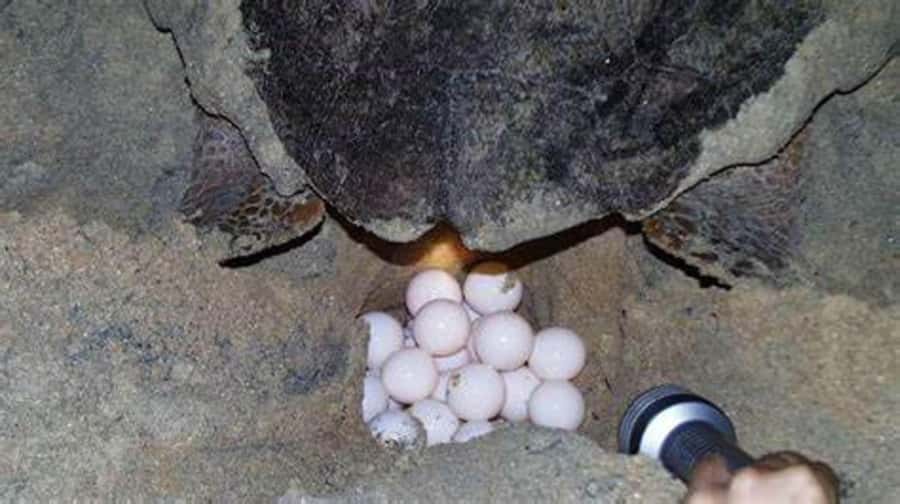
The beach is selected for low light, calm conditions, and suitable turtle nesting activity. Those details are not decoration. Artificial light and noise can disturb nesting turtles, so a darker, quieter beach gives the animals a better chance to behave naturally.
For you, this means the setting may feel spare. There is no promise of bright scenery, music, or a busy program. Much of the appeal comes from the darkness, the sound of the shore, and the patience required to watch carefully.
Your guide will lead the group to the chosen area and explain how to behave before any turtle encounter begins. Follow those instructions closely. At night, even a well-intended step, bright phone screen, or sudden noise can affect what the turtle does next.
The briefing explains what you are about to see
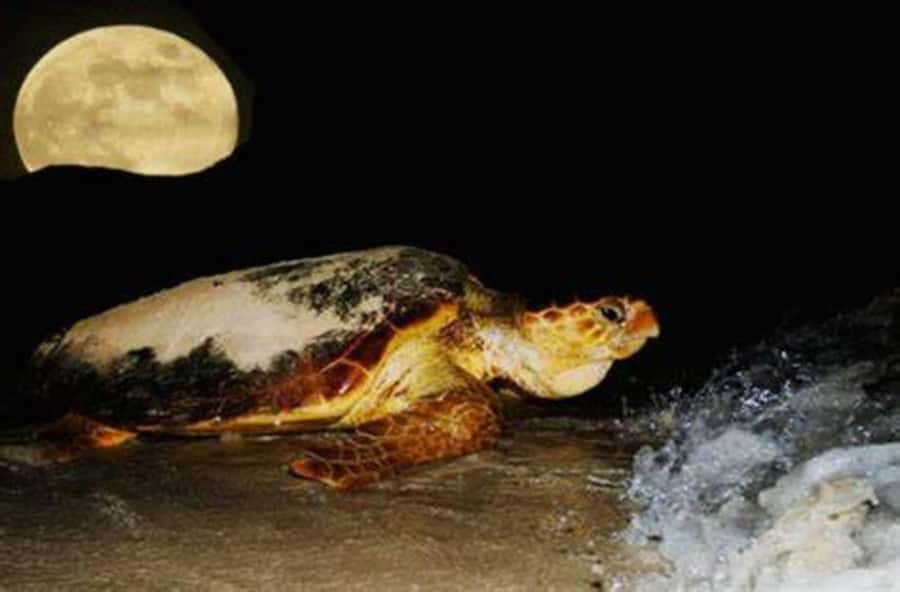
Before watching begins, you receive an informative turtle briefing. The guide explains the animals’ life cycle, nesting behavior, and conservation concerns, along with the rules for observing them.
This is an important part of the experience, not filler while the group waits. Knowing the stages of nesting helps you understand what you are seeing. A turtle emerging from the ocean is at a different point in the process from one digging or laying eggs, and the guide’s explanation helps you read the action without getting too close or making assumptions.
The briefing also sets the tone for the evening. You are there to observe, not direct the encounter. No one should call out, play music, use a flashlight, or try to improve a photograph at the animal’s expense.
More Turtle Watching in Sal
- Santa Maria: Sal Island Sea Turtle Watching Experience
★ 4.5 · 256 reviews - Sal: Turtle Nesting with professional local guide
★ 4.7 · 18 reviews - Watch Sea Turtles Nesting – Night Tour in Sal Island
★ 4.1 · 14 reviews - Santa Maria: Sea Turtle Watching Experience on Sal Island
★ 4.0 · 9 reviews
Watching a loggerhead emerge from the ocean
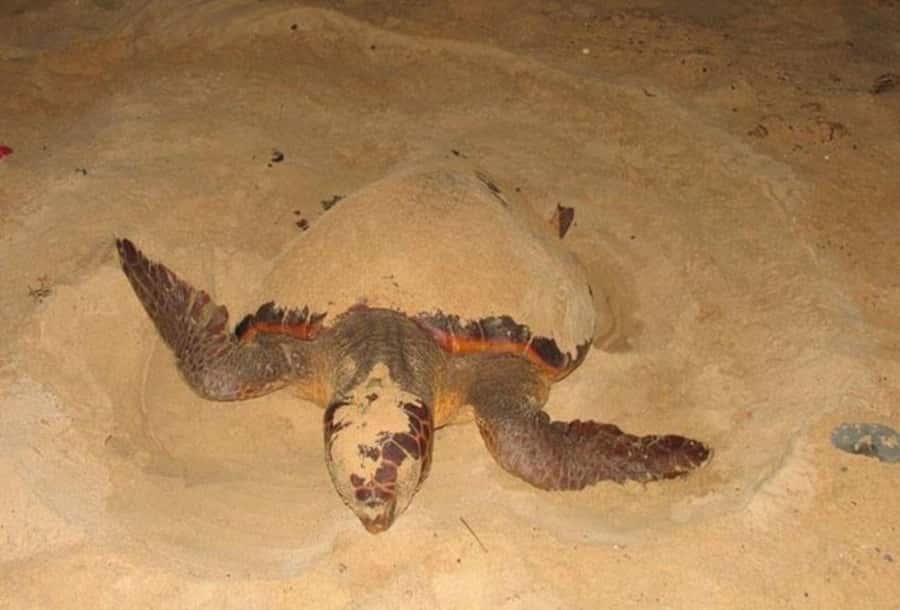
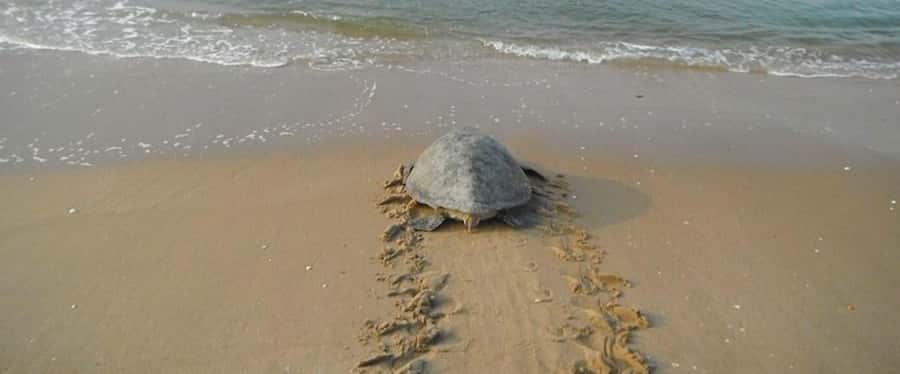
The most moving part begins when the guide spots a turtle. A female may slowly come out of the sea and search the sand for a safe nesting place. The pace is unhurried, and that is exactly why you need to stay calm and patient.
The guide will manage the group’s position and lighting. You should keep quiet and let the animal move without pressure. The supplied eco-friendly lighting is operated by the guide, so you should not bring or use your own flashlight.
This controlled approach makes the small group especially valuable. With no more than seven people, it should be easier for everyone to hear the guide, keep a reasonable distance, and avoid turning the beach into a crowded viewing area.
You may find that the first sight of the turtle is less dramatic than expected. In darkness, the animal may initially appear as a slow shape against the sand. Then the scale of the moment becomes clear: this is a wild sea turtle leaving the ocean under its own power.
Nesting, egg laying, and the return to sea
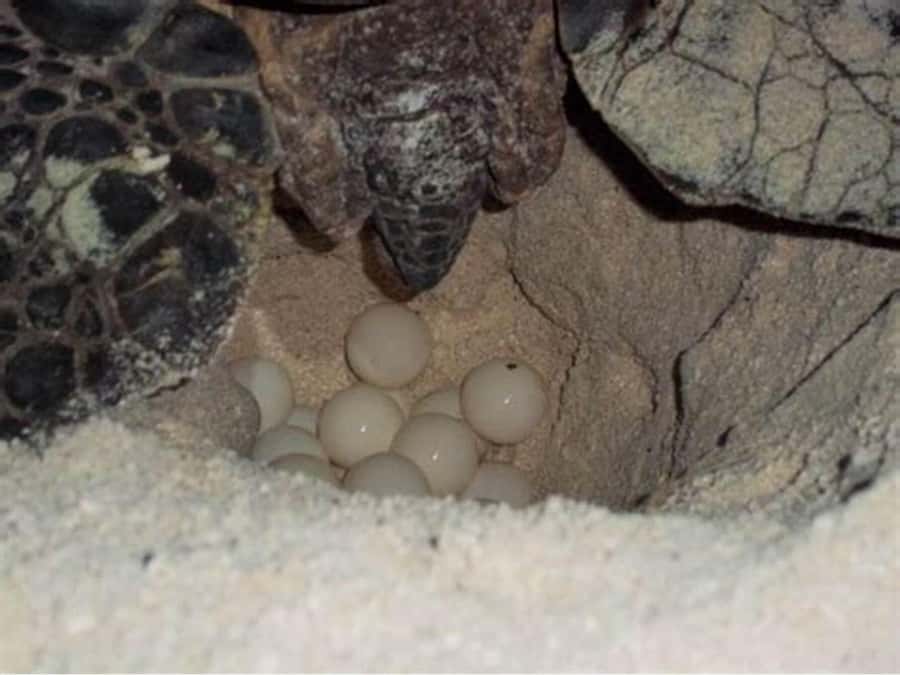
Once the turtle chooses a spot, she digs a nest in the sand. After considerable effort, she lays her eggs before covering the nest and returning silently to the water.
The tour description emphasizes observing the turtle lay eggs, but you should remember that wildlife timing cannot be controlled. The guide may spot a turtle at different stages of the process, and the encounter can vary. The experience is strongest when you treat the nesting sequence as something to witness respectfully, not as a checklist of guaranteed moments.
I like that the tour presents the event as a conservation experience rather than a photo opportunity. The turtle’s work is physically demanding, and seeing it can give you a clearer sense of the animal’s resilience and the value of protecting nesting beaches.
There is also a useful lesson in the lack of interaction. You do not touch the turtle, feed it, call it toward the group, or interfere with its route. The connection comes from watching a natural behavior without trying to own the moment.
Why the no-flash rule matters
The restrictions are firm:
- No flash photography
- No flashlights
- No making noise
- No speakers
These rules can disappoint anyone hoping for a bright close-up photograph. Still, they are central to the tour’s purpose. The guide uses eco-friendly lighting, and the group observes quietly to reduce disturbance.
You should keep your phone and camera use under control. Even without a flash, a bright screen can work against the low-light conditions that make the beach suitable for nesting. Since the guide operates the lighting, follow the guide’s directions rather than trying to create your own view.
This is a good place to reset your expectations. You may return with fewer usable photos than you hoped for, but the experience asks you to pay attention with your eyes instead of through a screen.
A small group changes the feel of the outing
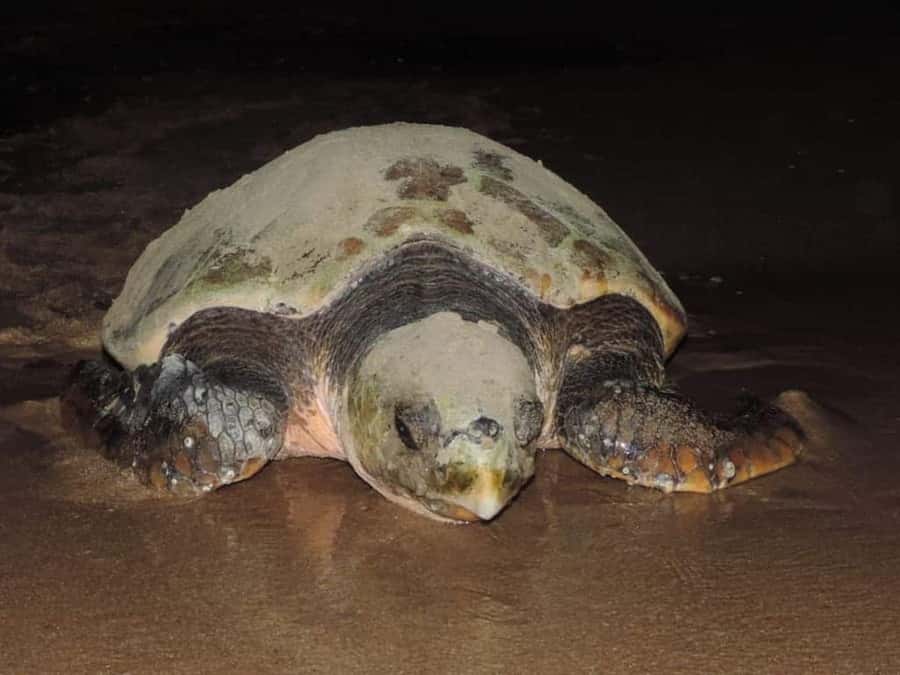
The group is limited to seven participants. That is a strong feature for this type of activity, where crowd control, silence, and careful movement matter.
A small group can also make the briefing more useful. You have a better chance of hearing the guide and understanding why the rules exist. The return journey should feel more personal than it would with a large coach group, though the exact character of the outing will still depend on the people booked that night.
The guide speaks Portuguese, English, French, German, or Spanish. That broad language choice is useful if you want the conservation information and instructions explained clearly in a language you understand.
The listed provider is Kapverden Tours. No individual guide names are supplied, so you should not expect to select a particular guide when booking.
What the $88 price really covers
At $88 per person, this is not the cheapest way to spend an evening in Cape Verde. It is also not simply a beach transfer. The fee includes hotel pickup and drop-off, transportation, a professional guide, the turtle briefing, and guide-operated lighting intended to protect the wildlife.
That package makes the price easier to assess. You are paying for access to a carefully selected location, transport at night, a guide who manages the encounter, and a small group capped at seven. The ecological care is part of the product, not an extra charge added afterward.
The value is strongest if you care about wildlife and prefer a guided experience with transport included. It is weaker if you mainly want a guaranteed photograph or a busy evening activity. The tour works best for someone who sees respectful observation as the main attraction.
Meals and drinks are not included. Since the experience lasts about three hours, plan your evening around that fact. The supplied information does not list refreshments, so do not count on food or drinks being provided.
Who will enjoy this night on the shore
I would recommend this tour to you if you enjoy nature, can stay quiet for long periods, and want to see an important animal behavior in the wild. It also suits people who prefer small groups and appreciate having transportation arranged for a night outing.
It is a good choice if conservation matters to you. The rules may seem strict, but they protect the very experience you came to see. You are not just looking at turtles. You are learning how a nesting beach must be treated if it is to remain useful to them.
You may want to think twice if you need constant activity, bright photography, or guaranteed animal contact. There is no promise that every stage of nesting will unfold in front of you, and the group must accept the guide’s pace.
The tour is not suitable for wheelchair users, babies under one year, or people over 95 years old. The information provided does not give further mobility details, so anyone with specific access needs should confirm suitability before booking.
A practical plan for a better evening
Wear clothing that lets you remain comfortable during a quiet night outside, though the supplied information does not specify a dress code. Most important, arrive ready to follow the low-light rules from the start.
Keep your phone on silent and avoid bringing a speaker. Do not pack a flashlight for use on the beach. The guide provides and operates the approved lighting.
You should also bring realistic expectations. Turtle nesting is a natural event, and the animal decides when and where to move. The guide can select a suitable beach and watch for activity, but no guide can make a turtle appear on command.
The tour lasts three hours, including pickup and return. Check the available starting times because the exact schedule is not fixed in the information provided.
Booking flexibility and final decision
You can cancel up to 24 hours in advance for a full refund. You can also reserve now and pay later, which helps if you are still arranging your Cape Verde plans.
I would book Boavista by Moonlight if you want a quiet, carefully managed wildlife encounter and understand that the best moments may be slow, dark, and unpredictable. The combination of a seven-person limit, hotel transport, multilingual guiding, and strict turtle protection gives the $88 price solid value for the right audience.
I would skip it if your main goal is nightlife, a meal, or guaranteed close-up photos. Book it for the chance to witness a loggerhead turtle follow an ancient nesting routine, and the evening can become one of the most memorable parts of your time in Cape Verde.
FAQ
Where does Boavista by Moonlight take place?
The experience takes place on the shores of Boavista in Cape Verde, at a calm, quiet beach selected for low light and suitable turtle nesting conditions.
How long does the sea turtle experience last?
The tour lasts three hours. This includes hotel pickup and drop-off, transportation, the turtle briefing, and wildlife observation.
How much does the experience cost?
The listed price is $88 per person.
Are hotel transfers included?
Yes. Hotel pickup and drop-off are included in the experience, along with transportation.
What languages does the guide speak?
Live guides are available in Portuguese, English, French, German, and Spanish.
How many people are in the group?
The experience is offered as a small-group tour limited to seven participants.
Can I use a flashlight or flash photography?
No. Flash photography, flashlights, noise, and speakers are not allowed. The guide operates eco-friendly lighting to help protect the turtles.
What is not included in the price?
Meals and drinks are not included.
More Turtle Watching in Santa Maria Cape Verde
- Santa Maria: Sea Turtle Watching Experience on Sal Island
★ 4.6 · 446 reviews - From Mindelo: São Vicente’s Enchanting Sea Turtle Snorkeling
★ 4.4 · 153 reviews - São Vicente: Snorkel with Sea Turtles Adventure
★ 4.5 · 111 reviews - Turtle Watching Adventure
★ 5.0 · 98 reviews
Just added in Santa Maria Cape Verde
- Windsurf Lessons★ 5.0 · 2 reviews
- Santa Maria: Open Water Diver – PADI or SSI Course★ 5.0 · 1 review
- Santa Maria: Scuba Diving Package with 3 Dives★ 5.0 · 1 review
- Santa Maria: Advance Open Water Diver – PADI or SSI Course★ 5.0 · 1 review
- Sal: Small Group Island Tour & Lunch with a Local Family★ 4.4 · 3 reviews
- Sal Island: Santa Maria Snorkelling★ 4.2 · 5 reviews
- Sal: Romantic Sunset Escape with Wine and Roundtrip Transfer★ 4.3 · 3 reviews
- Romantic Sunset Experience with Glamping Silver Pack★ 5.0 · 1 review
Turtle Watching, compared.
Shark, Turtles, Cave, Sandboarding & Tasting Tour
Read our review →
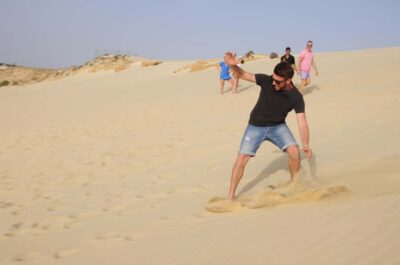
Turtle, Shark, Santa Monica, Sandboard & Tasting
Read our review →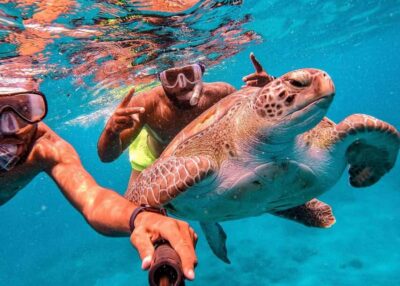
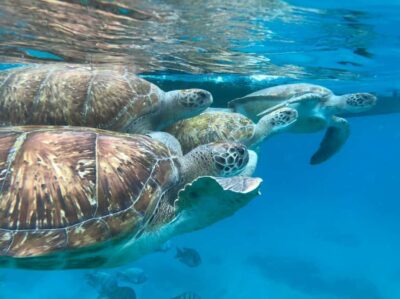

Beautiful Beaches, Turtles & Djeu Island Snorkel
Read our review →
Browse the lists this tour appears in