
Reviewed · TURTLE WATCHING
Santa Maria: Sea Turtle Watching Experience on Sal Island
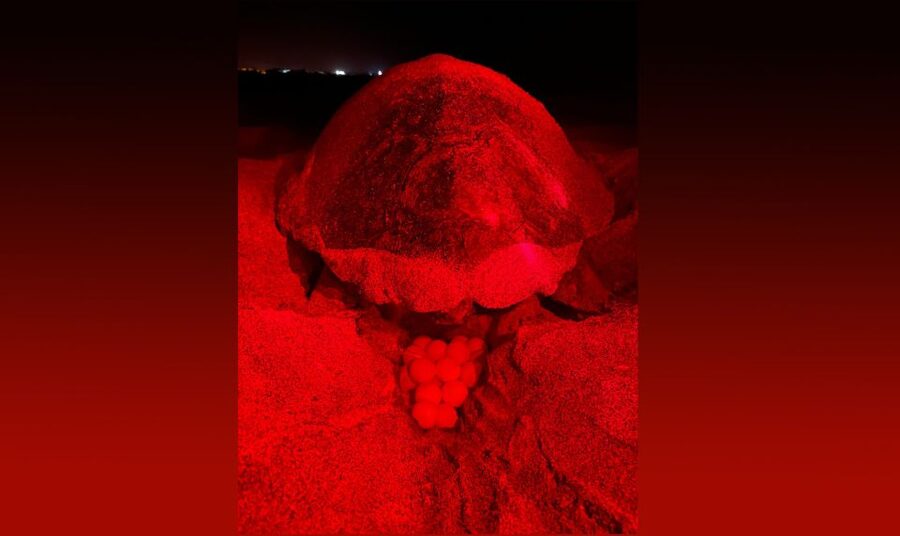
The beach comes alive after dark. This evening trip from Santa Maria takes you to a quiet beach on Sal Island, where common turtles come ashore to lay eggs under the moon and stars. I like the chance to watch the full nesting process, from the turtle crawling out of the sea to covering her nest and returning to the water. I also like the careful approach taken by the guides, who use infrared lighting and insist on silence around the animals.
The main catch is simple: nature keeps its own clock. You may wait for an hour or more, and seeing a turtle lay eggs is never guaranteed. The activity also involves walking on sand in darkness, so it is not a good fit for young children, wheelchair users, or anyone uneasy in the dark.
In This Review
- Key points to know before booking
- Why Sal is such an important turtle nesting site
- Pickup from Santa Maria and the ride to the beach
- Walking across the sand after sunset
- Waiting quietly for the first turtle
- Watching the nesting process from a respectful distance
- Why the conservation rules matter
- Baby turtles, hatching, and what you might not see
- How much value you get for $41
- Who will enjoy this evening most
- Practical tips for a better turtle sighting
- Should you book the Sal sea turtle tour?
- FAQ
- What time does the sea turtle tour start?
- How long does the tour last?
- Is seeing a turtle guaranteed?
- What should I wear?
- Can I take photos or videos?
- Is the tour suitable for children and people with reduced mobility?
- What languages are available?
Key points to know before booking
- Turtles are watched in their natural setting: You walk a dark beach and observe nesting without touching or crowding the animals.
- The full process can take about 45 minutes: If you find a turtle at the right stage, you may see digging, egg laying, covering the nest, and the return to the sea.
- Guides make the experience work: Guides such as Nany, Dani, and Chan explain the biology and help keep groups quiet and properly placed.
- Waiting is part of the tour: The guide may search while you sit under the stars, and sightings can take time.
- Wear dark clothes and good shoes: Black, dark brown, dark blue, or dark grey clothing helps avoid startling the turtles.
- The $41 price is fair for a specialist evening trip: Hotel transport, a guide, infrared lights, and a rare wildlife sighting are included.
Why Sal is such an important turtle nesting site
Sal is one of the key nesting locations for the common turtle in Cape Verde. The island’s sandy beaches give female turtles a place to crawl above the waterline, dig a nest, lay their eggs, cover them, and head back to sea.
Cape Verde is home to three turtle species. The yellow turtle, also called the common turtle, is the species most often seen on this island. The nesting season brings these animals ashore at night, when the cooler air and darkness offer better conditions for the long trip up the beach.
That setting gives this outing its value. You are not visiting an aquarium or watching a staged display. You are waiting on a quiet beach for a wild animal to choose its own moment. Sometimes the turtle arrives quickly. Sometimes she does not arrive at all. That uncertainty is part of the experience, but it also means you need patience.
The guides explain the turtles’ evolution, physical traits, nesting habits, and the reasons their welfare comes first. This information is not just filler during the drive. It helps you understand why flash photography, flashlights, loud voices, and sudden movement can cause real trouble for a female trying to nest.
More Turtle Watching in Sal
- Santa Maria: Sal Island Sea Turtle Watching Experience
★ 4.5 · 256 reviews - Turtle Watching Adventure
★ 5.0 · 98 reviews - 4h Turtle Watching with SSV Buggy Night 4WD
★ 5.0 · 20 reviews
Pickup from Santa Maria and the ride to the beach
The standard pickup is around 8 PM, though new environmental guidelines allow the activity to run at different times between 7:30 PM and 10:30 PM. Your exact collection time is confirmed on the morning of the tour, so keep your evening flexible.
The ride takes place in a comfortable, air-conditioned vehicle. The beach is usually less than an hour away, and some outings have taken around 30 minutes. During the drive, the guide explains how the evening will work, what you must avoid, and how to behave near the turtles.
I like this short briefing because it sets the right tone. You are not heading out for a noisy night excursion. You are joining a small wildlife operation where your choices affect the animals. The drive also gives the guide a chance to answer questions before you reach the beach.
Pickup and drop-off at your accommodation are included. That matters here because the return is late, the beach is remote, and finding your own way back after dark would be impractical.
Walking across the sand after sunset
Once you arrive, expect a short walk from the vehicle to the beach. Depending on the search area and the movements of the turtles, you may walk farther along the sand during the evening.
Wear comfortable shoes that can handle sand. The activity is not suitable for people with reduced mobility, wheelchair users, or anyone who finds walking on uneven beach surfaces difficult. Children under three are not permitted, and the experience is also unsuitable for people with a strong fear of darkness.
Dark clothing is important. Choose black, dark brown, dark blue, or dark grey rather than white or bright colours. The point is to blend into the night and avoid startling or disorienting a turtle as she comes up the beach.
A light jacket can be useful because the outing runs at night. Mosquito repellent has also been suggested by people who enjoyed the trip, although it is not listed as a required item. Comfortable footwear is the one item specifically required.
Waiting quietly for the first turtle
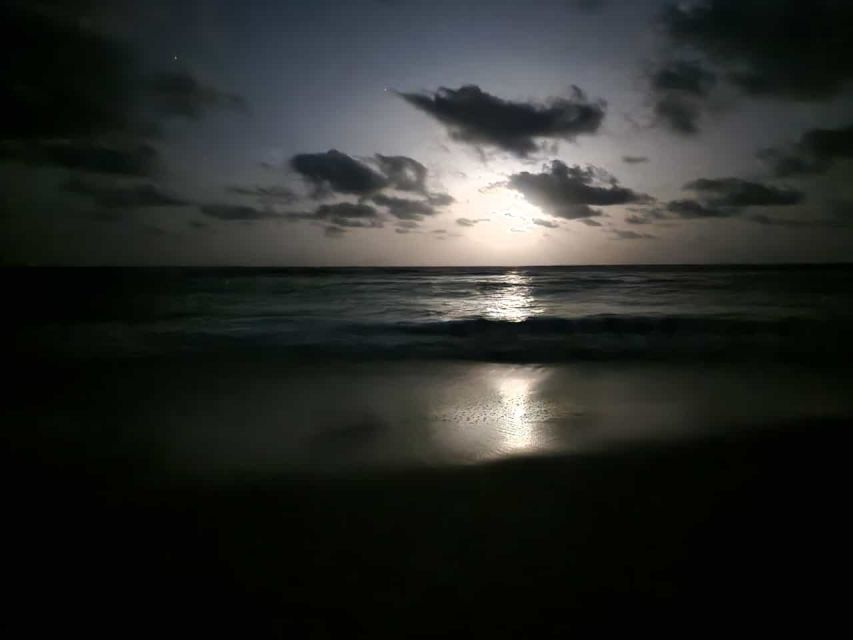
The guide may walk ahead to look for turtles while you wait in a suitable area. This can be the slowest part of the evening, but it is also when you notice how quiet the beach becomes. With little light around you, the stars and the sound of the sea take over.
Some groups wait less than 30 minutes before a turtle appears. Other outings may involve an hour or two of waiting. The timing depends on environmental conditions and on whether a female has chosen that stretch of beach.
The activity reports a 99 percent success rate over the past five years, but that figure should not make you expect instant results. Seeing a turtle at all is not the same as seeing her lay eggs. One outing may bring several turtles to shore, while another may produce only a brief sighting.
This is where your attitude matters. If you need a tightly timed show, this is the wrong evening plan. If you can sit quietly and accept a little uncertainty, the wait becomes part of the wildlife encounter.
A completely different sort of day out:
- Sal: Island Experience Tour with a Certified Local Guide
★ 4.8 · 3,249 reviews - Sal: All-Inclusive Salt Lake, Blue Eye and Shark Bay Tour
★ 4.7 · 2,033 reviews - Experience on Sal Island with native and certified guide (including sharks)
★ 5.0 · 1,166 reviews - From Sal Island: Blu eye, Salt lake, Lemon Sharks & Palmeira
★ 4.6 · 1,003 reviews
Watching the nesting process from a respectful distance
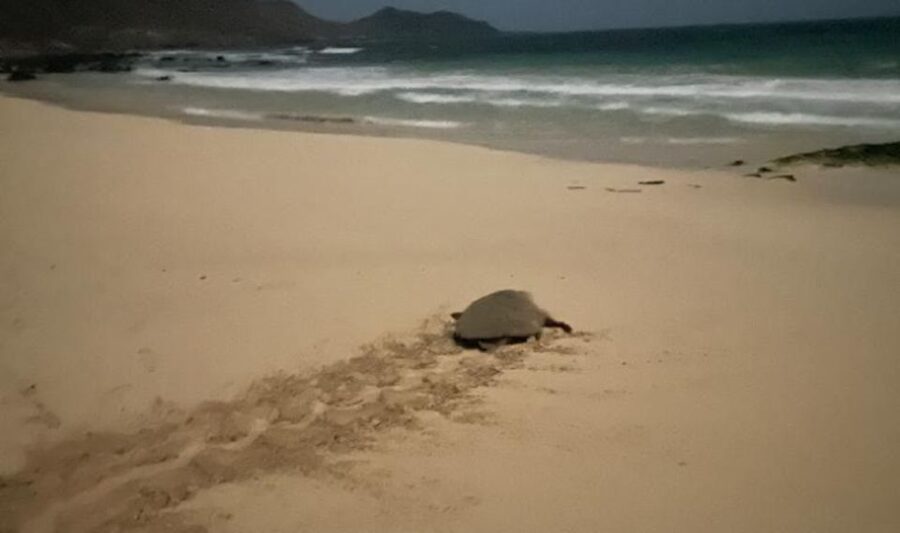
When a turtle is found, the guide takes you to a suitable viewing position. Groups may be split into smaller sections so fewer people surround the animal. This is a useful arrangement, especially when the main group numbers around 20 people.
You should sit down, stay still, and remain as quiet as possible. The guide uses infrared lighting so the group can see without shining a normal flashlight at the turtle. Flash photography, video recording, and personal flashlights are not allowed.
If you arrive at the right moment, you may see the whole sequence:
- The female crawls up from the water.
- She searches for a suitable place to nest.
- She digs a hole in the sand.
- She lays her eggs.
- She covers and hides the nest.
- She makes her way back to the sea.
One turtle may take around 45 minutes to watch through this process. The guides explain what is happening as you observe, but they also know when to stop talking and let the beach remain quiet.
That balance is one of the strongest parts of the trip. The guides are there to help you see, not to turn the turtle into a performance. Nany is praised for his warmth and clear explanations, while Dani and Chan are also singled out for their help and local knowledge. Chan, in particular, has been described as a lively guide who explains both the nesting process and the story of Cape Verde.
Why the conservation rules matter
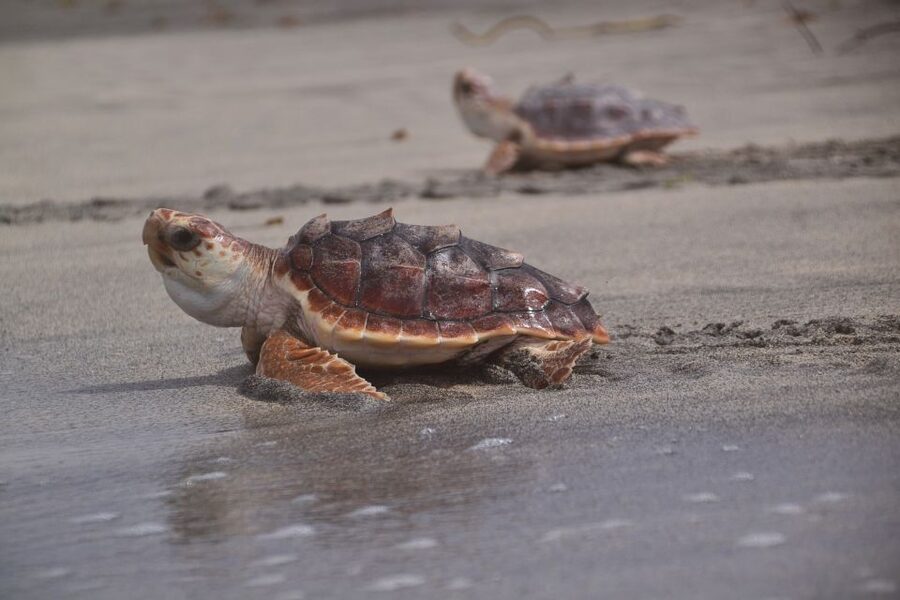
It can be tempting to move closer when a turtle appears. Resist that urge. A female may abandon her attempt if she feels threatened, and a bright light can disorient her as she searches for the sea.
The guides’ job is not only to locate turtles. They also decide where people should sit, manage the smaller groups, and limit noise and light. The activity follows guidelines from Cape Verde’s Ministry of the Environment, which is why the schedule can change from evening to evening.
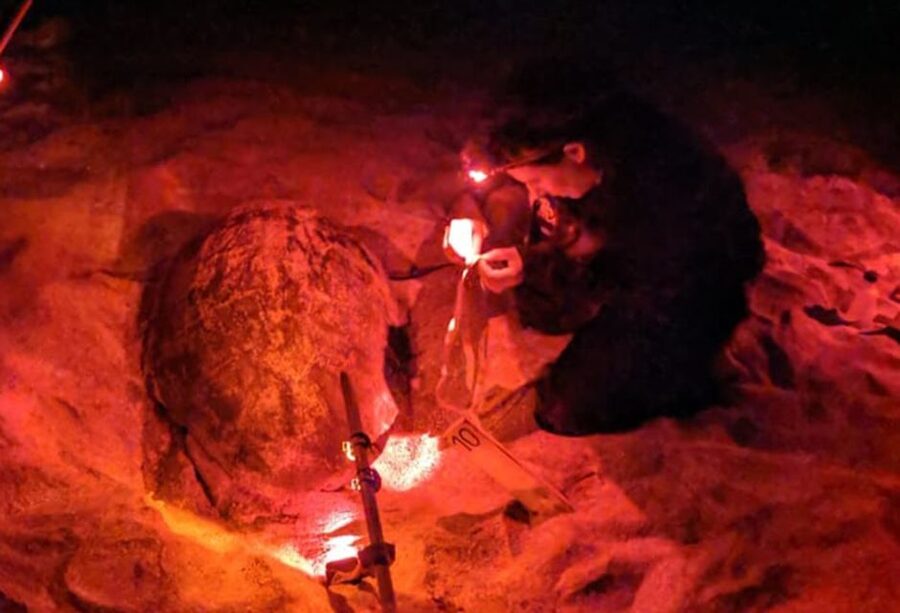
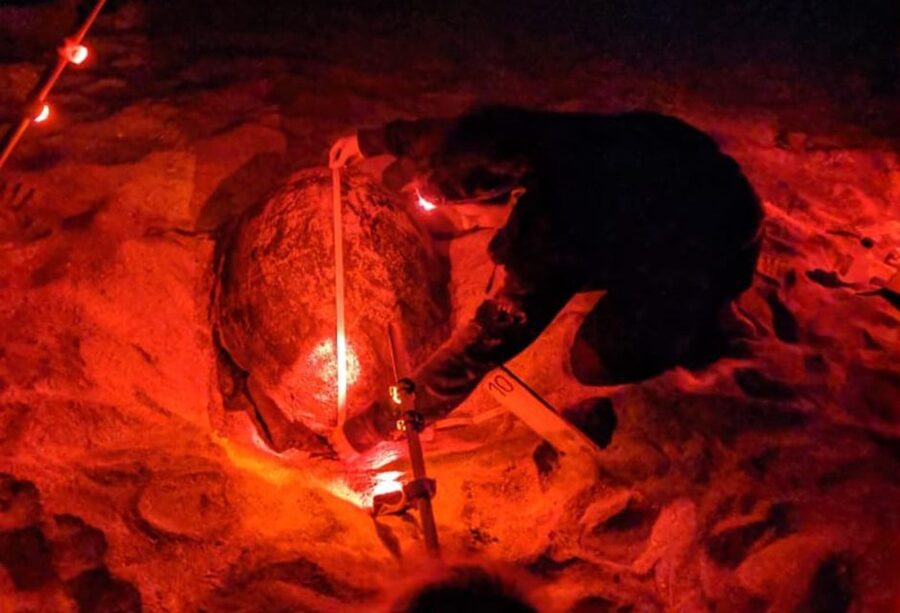
You may see local specialists measuring a turtle or checking details as part of conservation work. That offers a useful glimpse of the effort behind protecting the island’s nesting population. The trip is more worthwhile when you understand that your ticket supports an organised observation rather than casual wildlife chasing.
There can be a frustrating side to this. Other groups on the beach may not always be as careful. One outing involved more intrusive parties nearby, though the guide moved the group away and found a quieter place to watch. That is a good reminder that the quality of your evening depends partly on how responsibly every group behaves.
Baby turtles, hatching, and what you might not see
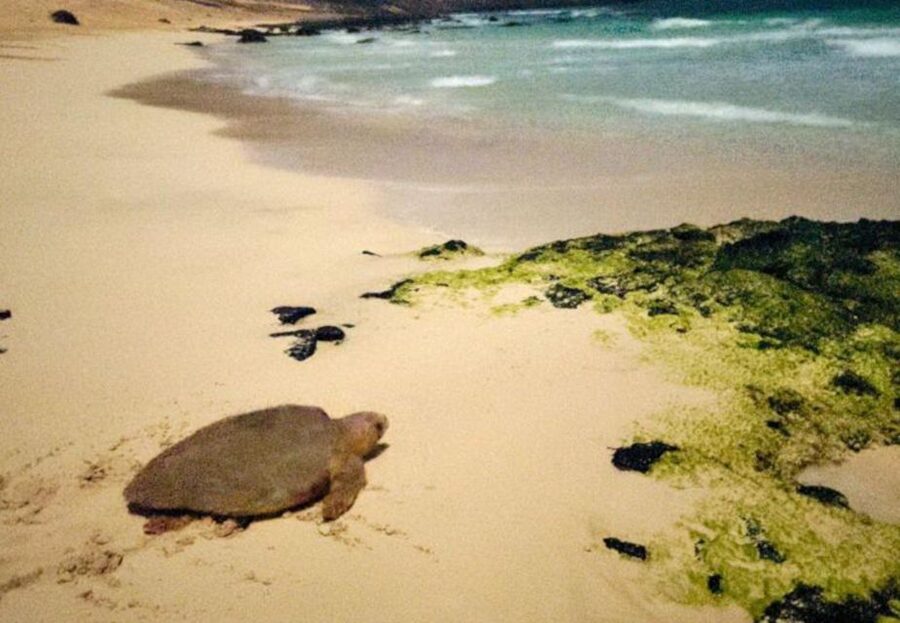
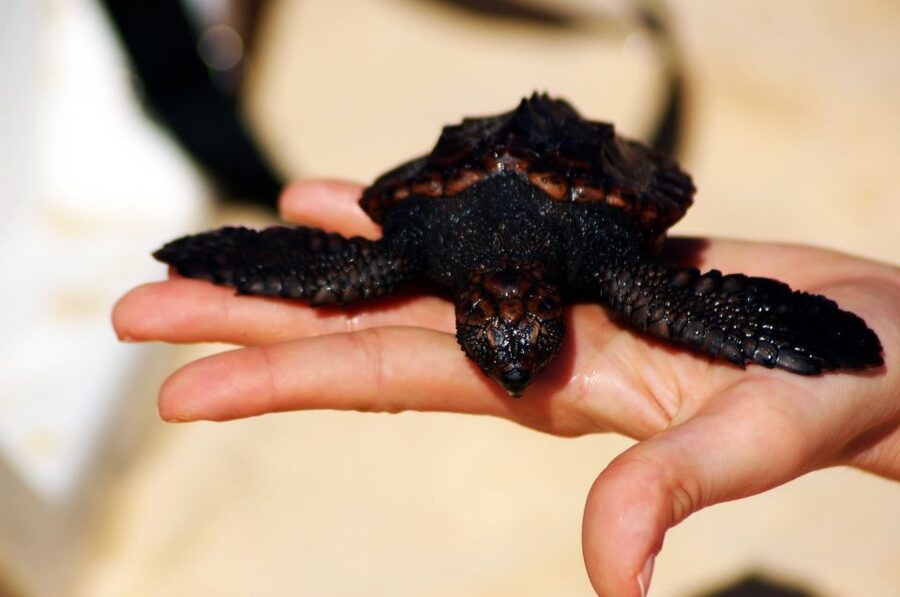
Most people hope to see a turtle laying eggs, and that is the most reliable focus of the tour. Seeing hatchlings is much less certain. Some outings have included small turtles reaching the sea, while others have not seen any baby turtles during the season.
You should not book this trip expecting a guaranteed release of hatchlings. The tour follows whatever is happening naturally on the beach that night. If a nesting turtle is present, that is already a successful evening.
In some cases, guides or conservation workers may help a lost baby turtle reach the sea. This is a memorable sight, but it is not promised. The same applies to seeing multiple turtles. A lucky night can bring three or four females ashore, while another may offer only one.
That uncertainty keeps the experience honest. You are not buying a set sequence. You are paying for access to a protected nesting area, trained supervision, transport, and a well-run chance to observe an important part of Cape Verde’s wildlife.
How much value you get for $41
At $41 per person, the price is reasonable for a specialist evening outing. Hotel pickup and drop-off alone make the trip easier, especially when the beach is remote and the return can be as late as 10 or 11 PM.
You also receive transportation, a guide, the organised beach walk, and infrared lighting. The guides speak English, Portuguese, Spanish, and French, with some guides able to communicate in several languages. That is useful during a scientific and conservation-focused activity, where clear instructions matter.
The real value comes from the access and timing. You cannot simply wander onto a nesting beach with a flashlight and hope for the best. You need someone who knows how to locate the turtles and how to keep people from disturbing them.
Still, $41 does not buy certainty. You may wait for a long time, see a turtle briefly, or miss the egg-laying stage. I consider that a fair trade for a wild encounter, but only if you are comfortable with nature refusing to follow a schedule.
You can reserve and pay later, and cancellation is allowed up to 24 hours before the activity for a full refund. That flexibility helps if your plans around Sal are still changing.
Who will enjoy this evening most
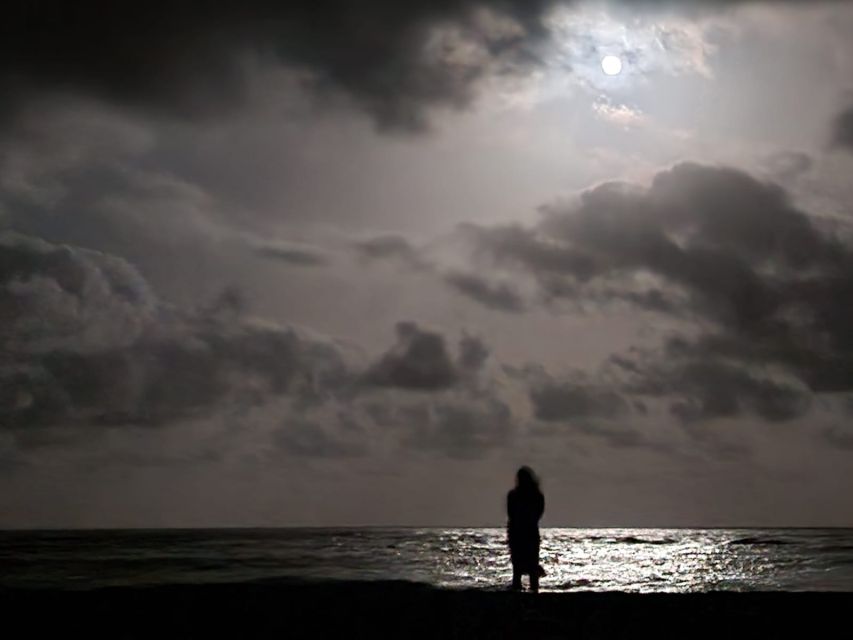
I would recommend the trip to anyone who enjoys wildlife, conservation, and quiet outdoor activities. It suits couples, families with older children, and solo visitors who are happy to sit patiently in the dark.
It is especially good for you if you want something different from Sal’s daytime beach and water activities. The outing has a calm, almost dreamlike quality, with the sea, stars, and a slow natural process providing the entertainment.
You should think twice if you dislike sand, darkness, waiting, or strict rules about light and noise. It is also not a sensible choice for a child under three, someone with limited mobility, or anyone who cannot walk comfortably on a beach.
Do not drink alcohol before the trip. People under the influence cannot take part, which is sensible given the darkness, uneven sand, and need to follow careful instructions.
Practical tips for a better turtle sighting
Arrive ready rather than fashionable. Wear dark clothes, comfortable shoes, and a light jacket if you feel the night air. Keep your phone away unless the guide permits photography, and never use a flash or personal flashlight.
Listen closely to the briefing. The best view may not be the closest view, and the guide may ask you to move, sit, or wait while the turtle completes a stage of nesting. Following those directions protects the animal and improves the experience for everyone.
Bring patience. The guide may search for a while before finding a turtle, and a turtle already on the beach may leave if people approach too soon. Waiting quietly is not wasted time here.
If you are hoping to see hatchlings, treat that as a bonus. Focus on the female turtles and the nesting process instead. That mindset makes the evening far less frustrating.
Should you book the Sal sea turtle tour?
Yes, if you want a rare and carefully managed wildlife experience. The best part is not simply seeing a turtle. It is watching a wild female complete a demanding natural task while trained guides explain the process and limit disturbance.
I would book it through Sal Experiences if I were staying in Santa Maria and had one free evening during turtle season. The $41 cost is justified by transport, specialist guides, infrared lighting, and the chance to see nesting at close range without handling or interrupting the animals.
Skip it if you need a guaranteed sighting, dislike waiting, or have difficulty walking on sand in the dark. For everyone else, wear black, leave the flashlight behind, and give the evening time to unfold.
FAQ
What time does the sea turtle tour start?
Pickup is usually around 8 PM, but the activity may take place between 7:30 PM and 10:30 PM under current environmental guidelines. Your exact transport time is confirmed on the morning of the event.
How long does the tour last?
Return to your accommodation is expected around 10 or 11 PM. The exact duration depends on transport, walking, searching, and how long it takes to observe a turtle.
Is seeing a turtle guaranteed?
No. Nesting depends on environmental conditions and cannot be guaranteed. The stated success rate has been 99 percent over the previous five years.
What should I wear?
Wear dark-coloured clothing, such as black, dark brown, dark blue, or dark grey. Comfortable shoes are important because you walk on sand.
Can I take photos or videos?
Flash photography and video recording are not allowed. Personal flashlights are also prohibited. Infrared lighting is provided for observation.
Is the tour suitable for children and people with reduced mobility?
It is not suitable for children under three, people with mobility impairments, or wheelchair users. It is also not recommended for people with a fear of darkness.
What languages are available?
The guides provide the experience in English, Spanish, French, and Portuguese.
Just added in Sal
- Windsurf Lessons★ 5.0 · 2 reviews
- Turtle Experience in Sal island★ 4.0 · 5 reviews
- Secrets of Sal Island 4×4 Tour with Pedra da Lume Salt Lake★ 4.5 · 6 reviews
- Private Sal island: Pedra de Lume Village, Salt Lake & Shark Tour★ 5.0 · 2 reviews
- Sal island: Private Santa Maria City Tour, Street Art and Tapas★ 5.0 · 6 reviews
- Sal Island All-inclusive Adults-only Catamaran Cruise★ 5.0 · 3 reviews
- Sal Island: Guided Full-Day Highlights Tour with Lunch★ 5.0 · 5 reviews
- Sea Turtle Nesting Observation on Sal Island★ 5.0 · 2 reviews
Turtle Watching, compared.
Shark, Turtles, Cave, Sandboarding & Tasting Tour
Read our review →
Turtle, Shark, Santa Monica, Sandboard & Tasting
Read our review →
Beautiful Beaches, Turtles & Djeu Island Snorkel
Read our review →

Browse the lists this tour appears in