
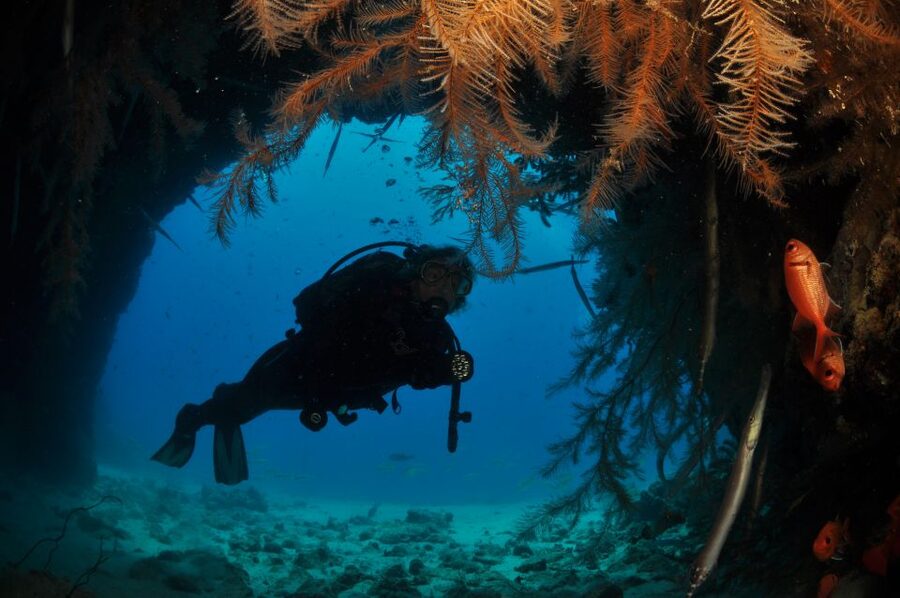
Reviewed · SCUBA DIVING
Santa Maria: Open Water Diver – PADI or SSI Course
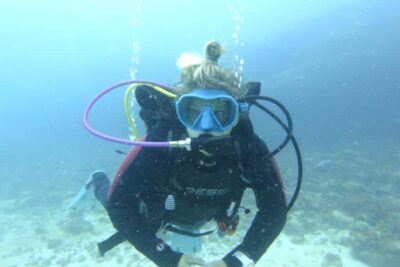
The Atlantic is your classroom. This Sal course gives you a first scuba certification in two to three days, with lessons, practice in calm water, and boat trips to local underwater sites. I like that you can choose between PADI and SSI, and I like the calm, supportive approach described by Maria Sokolova, who felt safe attending alone as a complete beginner. The main catch is the extra certification fee, plus a mismatch in the published details about whether the course includes three or four open-water sessions.
You should also plan on a real time commitment, not a quick holiday activity. You need to be a good swimmer, in good health, and ready to spend about 15 hours learning safety skills, handling equipment, and practicing underwater. The course is flexible, but it is not suitable for children under 10 or people with mobility impairments.
In This Review
- Key points to know before booking
- What the Sal scuba course is really offering
- Day one: learning the rules before entering the water
- Confined-water practice before the boat trip
- Open water around Sal, with a detail to confirm
- What the certification lets you do
- PADI or SSI, and the extra cost
- Who will feel comfortable on this course
- What to pack, and what to leave behind
- The human side of learning with Cabo Verde Diving
- Timing, flexibility, and the practical trade-off
- Should you book this Sal certification course?
- FAQ
- Where does the course take place?
- How long does the Open Water Diver course take?
- How many hours of training are involved?
- How many open-water sessions are included?
- Is transport included?
- Is scuba equipment included?
- How much does certification cost?
- What is the minimum age?
- Do I need to be a good swimmer?
- What should I bring?
Key points to know before booking
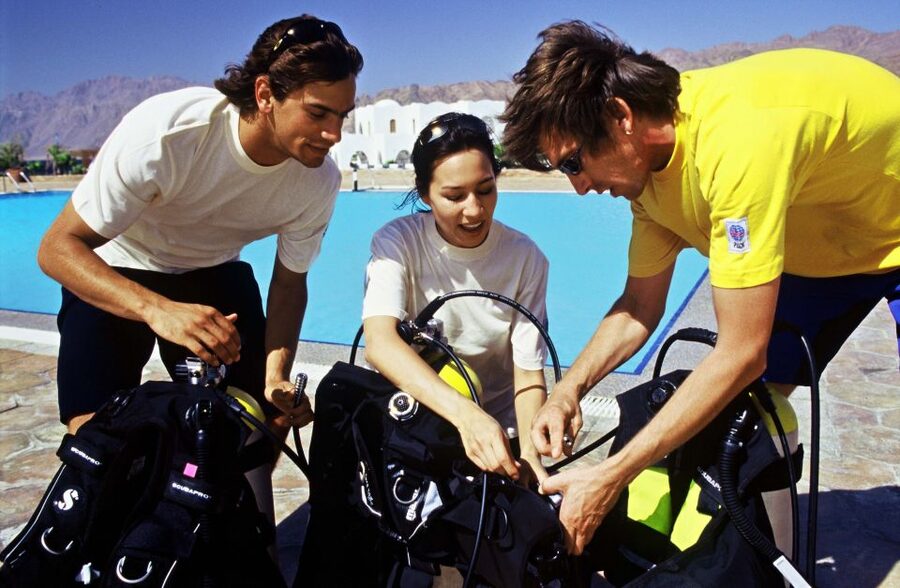
- A true beginner course: You work toward your first independent scuba qualification, not just a one-time introductory swim.
- Two to three days in Sal: The schedule can stretch to three days depending on your pace, skills, and comfort.
- Four boat sessions are listed: The detailed course information says you complete four open-water sessions at local sites, though the short overview says three.
- Choose PADI or SSI: Both are widely recognized certification systems, with separate fees paid at the center.
- Most costs are included: Transport from Santa Maria, an instructor, equipment, and boat outings are covered in the main price.
- A reassuring first step: The course is designed for beginners, and Maria Sokolova specifically praised the instructors for making her feel safe while attending alone.
What the Sal scuba course is really offering
At $593 per person, this is a full certification course rather than a casual taste of scuba. You are paying for instruction, equipment, transport from your Santa Maria accommodation, and boat access to local underwater sites.
That price makes more sense if you want a qualification you can use after Cape Verde. Once certified, you can scuba at home or abroad, to a maximum depth of 18 meters under the limits described here. If you only want to look at fish once during your holiday, this is more training than you need.
The course is built around three parts: classroom-style learning, practice in confined water, and sessions in open water. That structure matters. You do not simply receive equipment, jump from a boat, and hope for the best. You first learn how the equipment works and how to respond to common problems, then practice those skills in easier conditions before heading to a local site.
I like that approach for a first course. Underwater breathing feels unusual at first, and most beginners need time to get comfortable with buoyancy, mask use, and clearing water from equipment. A supportive instructor can make the difference between a course that feels exciting and one that feels rushed.
More Diving Trips in Santa Maria Cape Verde:
- Santa Maria: Discover Scuba Diving
★ 4.9 · 81 reviews - Santa Maria: Half-Day Diving Trip in Sal with Pickup
★ 4.7 · 6 reviews - Santa Maria: Scuba Diving Package with 3 Dives
★ 5.0 · 1 review
Day one: learning the rules before entering the water
The first stage is Knowledge Development. This covers the principles, terms, and safety ideas you need for comfortable scuba use.
The supplied information does not give a fixed hour-by-hour schedule, so your first day may vary. Expect the instructor to explain basic equipment, underwater procedures, safety rules, and the effects of pressure. You will need to absorb enough information to make sensible decisions below the surface, not simply memorize a few holiday instructions.
This is the part you should take seriously. Scuba is enjoyable because the equipment lets you breathe underwater, but that equipment also demands care. You need to understand how to check it, use it, and respond if something does not feel right.
The course takes about 15 hours in total, spread over a minimum of two and a half days and a maximum of three days. That timing is useful to know before you reserve it. You cannot comfortably squeeze the entire qualification into one free afternoon between beach visits.
The provider says the schedule can adapt to your needs and may allow more time if required. I would treat that as a real advantage, particularly if you are nervous, have never worn scuba equipment, or need extra practice with a particular skill.
Confined-water practice before the boat trip
After the theory work, you complete two or three confined-water sessions. These can take place in a pool or in seawater with pool-like conditions.
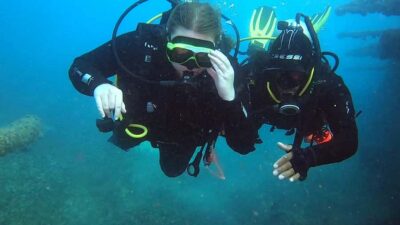
This stage is where the course becomes practical. You get used to breathing through a regulator, moving with the equipment, and completing the basic exercises your instructor demonstrates. The calmer setting gives you space to focus without the added pressure of a boat outing or a more demanding underwater site.
The description does not name the exact practice location, so you should ask the center where your sessions will take place. The key point is that the conditions are intended to be controlled and suitable for training.
I find this especially valuable for solo participants. Maria Sokolova attended alone and had never tried anything similar, yet she felt safe throughout. That points to the course’s strongest feature: the teaching style appears to put new students at ease rather than treating them like experienced swimmers who only need equipment.
You should still be honest about your comfort in the water. Being a good swimmer is a stated requirement, and confidence matters when you are learning several new tasks at once. If you feel anxious, tell the instructor early. The schedule is flexible, and the course is designed to adjust to your needs.
Open water around Sal, with a detail to confirm
The final training stage takes you by boat to a local site for your open-water sessions. The detailed course information says you complete four open-water sessions, and the package includes four boat trips. The short overview, however, mentions three dives.
Because those details do not match, I would confirm the exact number before paying. The main course description and the included-services section both point to four boat sessions, which appears to be the fuller version of the program, but a quick message to Cabo Verde Diving will remove any uncertainty.
These sessions are where you apply the skills from the earlier parts of the course. You practice, demonstrate, and use what you have learned in actual sea conditions. You also work toward the certification requirement that lets you explore to a maximum depth of 18 meters.
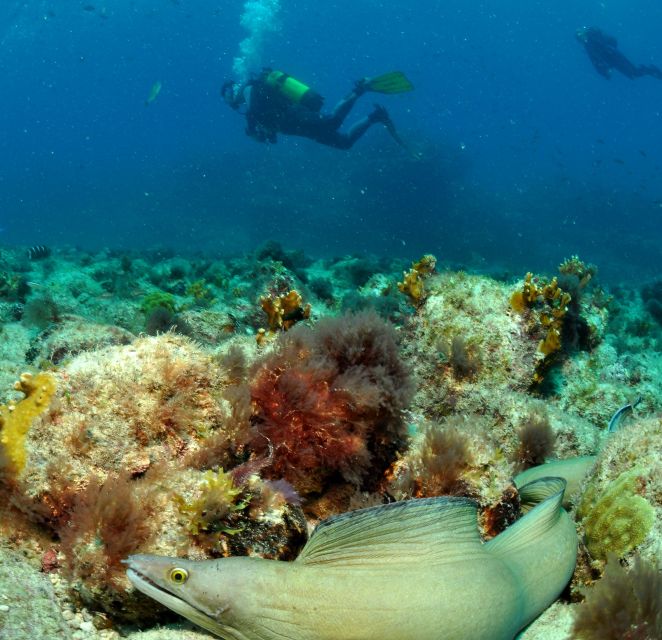
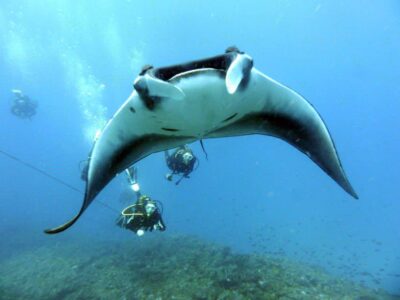
The local underwater setting is the reason to choose Sal for this course. Instead of completing every lesson in a training pool, you finish with real sea experience at local sites. You learn what it feels like to enter the water from a boat and manage your equipment outside a sheltered practice area.
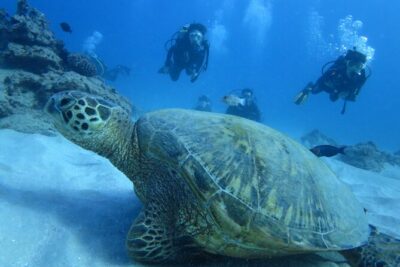
The exact sites, boat size, group size, and travel time are not provided, so do not assume a particular type of sea life or a certain level of visibility. Cape Verde can offer memorable underwater scenery, but conditions can affect the day. The instructor’s judgment and your own comfort should guide how quickly you progress.
More things to do on Sal:
- Santa Maria: Guided Snorkeling and Reef Tour
★ 4.2 · 809 reviews - Sal Island: Guided Full-Day Highlights Tour with Lunch
★ 4.7 · 414 reviews - 3-hour Catamaran Adventure on the waters of Sal Island
★ 4.7 · 349 reviews - Santa Maria: Sal Island Sea Turtle Watching Experience
★ 4.5 · 256 reviews
What the certification lets you do
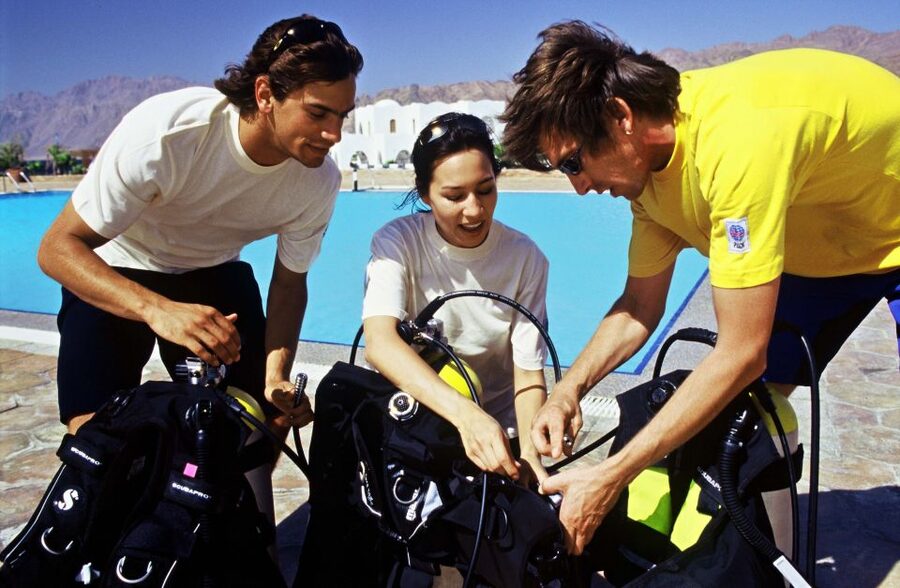
The Open Water Diver qualification is the first scuba certification level. Once you complete the course, you become an independent certified diver within the stated limits.
That does not mean you should treat the ocean casually. It means you have completed the required learning and practice to use scuba equipment and plan suitable recreational outings. You can use the qualification at home or abroad, which makes it more useful than a one-off holiday activity.
The maximum depth listed is 18 meters. That is an important boundary, especially for new divers. You should follow the certification rules and any local operator requirements after the course, rather than assuming the qualification covers every kind of underwater activity.
The course also presents scuba as a way to care for the ocean. You are told not to touch marine life, and that simple rule is worth taking seriously. Animals, coral, and other underwater features are not souvenirs or props. Keeping your hands to yourself protects the place you came to see and helps you build good habits from your first certification.
PADI or SSI, and the extra cost
The main price is $593 per person. You then pay an additional certification fee at the center:
- PADI certification: €80
- SSI certification: €40
The choice between PADI and SSI may depend on the instructor’s recommendation, the center’s process, or the certification system you prefer. Both options are presented as recognized qualifications, so the more important question is how clearly the instructor teaches and how comfortable you feel with the course.
The extra fee means the advertised price is not the final amount. You should budget for the certification charge as well as the course price. If you are comparing this with a simple introductory scuba session, the total can look high. If you want a qualification that remains useful for future trips, the equipment, teaching time, and four listed boat outings add meaningful value.
Transport is included, which helps if you are staying in Santa Maria and do not have a rental car. Equipment is also supplied, so you do not need to arrive with a mask, regulator, tank, or other scuba gear. That keeps the practical side simple.
Who will feel comfortable on this course
This course suits you best if you want to learn a skill rather than fill one spare morning. You should be comfortable swimming, in good health, and able to commit two and a half to three days to the process.
It is a good match for:
- First-time scuba students
- Solo visitors who want guided instruction
- People who want a certification usable at home or overseas
- Swimmers willing to study safety and practice carefully
- Visitors staying in Santa Maria who value included transport
It is not suitable for children under 10. It is also not suitable for people with mobility impairments, according to the stated restrictions.
You may need a medical certificate from a doctor if your health requires one. The course information says all participants must be in good health or have medical clearance, so check this before your holiday rather than waiting until the first lesson.
What to pack, and what to leave behind
Bring swimwear and a towel. You should also pack biodegradable sunscreen, which is a sensible choice when you are spending time around the sea.
Plastic bags are not allowed. Alcohol and drugs are also prohibited, and you must not touch marine life. These rules are straightforward, but they affect what you bring and how you behave during the course.
I would keep your packing light and practical. Since equipment is included, you do not need to carry specialist scuba gear. Your main job is to arrive ready to learn, follow instructions, and protect the water around you.
The available languages are French, English, Spanish, and Portuguese. That gives you a useful range of choices when discussing safety procedures and equipment. Ask for instruction in the language in which you can best understand technical directions.
The human side of learning with Cabo Verde Diving
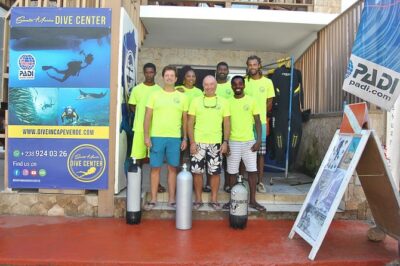
The most encouraging detail comes from the experience of Maria Sokolova. She attended alone, had never tried anything like this before, and felt safe throughout the course. She also described the center as small and cozy, with friendly, skilled instructors.
That combination matters more than flashy presentation. A small center can offer a more personal feel, though the available information does not confirm group sizes or instructor names. You should still ask how many students will be in your group if personal attention is important to you.
The strongest praise is aimed at safety and instructor skill. For a beginner, those are the right qualities to prioritize. You want clear instructions, patient correction, and an instructor who notices when you need another explanation or another attempt.
The course is not presented as a thrill ride. Its value comes from careful teaching and a clear progression from theory to practice to local sea sessions. That makes it a better choice for a first certification than for someone seeking an advanced or highly specialized program.
Timing, flexibility, and the practical trade-off
You need at least two and a half days, and the course may take three days depending on your skills and needs. The provider says it can adapt the schedule and dedicate more time if necessary.
That flexibility is helpful, but you should avoid booking the course at the end of a very short visit to Sal. If weather, personal comfort, or a need for extra practice affects the timetable, you want spare time before your flight home.
The course includes pickup from your accommodation in Santa Maria. The information does not specify the pickup time, the daily start time, or how long the boat transfer takes, so ask for those details when arranging your dates.
You can reserve now and pay later, which helps if you are still organizing your holiday budget. Cancellation is allowed up to 24 hours ahead for a full refund. Keep those terms in mind, but focus first on choosing dates when you can give the course your full attention.
Should you book this Sal certification course?
I would book it if you want a serious first step into scuba and have two to three days available. The included equipment, transport, instructor, and boat sessions make the $593 price easier to justify, although you must add the separate PADI or SSI fee.
I especially like this option for a solo beginner. Maria Sokolova’s experience suggests the instructors create a safe, friendly setting for someone arriving without prior experience or a dive partner. The flexible schedule is another strong point for students who need time to gain confidence.
I would hesitate if you only want a brief holiday activity, dislike structured study, or are unsure about swimming in open water. I would also confirm the three-versus-four session detail before booking. If you are ready to learn properly, respect the safety rules, and want a qualification you can use around the world, Cabo Verde Diving offers a practical route from first lesson to certified scuba use.
FAQ
Where does the course take place?
The course takes place in Sal, Cape Verde, with pickup available from accommodation in Santa Maria. Training includes confined-water practice and boat outings to local open-water sites.
How long does the Open Water Diver course take?
The course takes a minimum of two and a half days and a maximum of three days. The timing depends on your skills and needs.
How many hours of training are involved?
The course takes about 15 hours in total.
How many open-water sessions are included?
The detailed course information says you complete four open-water sessions by boat. The short overview mentions three, so confirm the exact number with Cabo Verde Diving before booking.
Is transport included?
Yes. Transport from your accommodation in Santa Maria is included.
Is scuba equipment included?
Yes. The course price includes equipment and an instructor.
How much does certification cost?
PADI certification costs €80, while SSI certification costs €40. You pay the certification fee at the dive center, separately from the course price.
What is the minimum age?
Participants must be at least 10 years old.
Do I need to be a good swimmer?
Yes. All participants must be good swimmers.
What should I bring?
Bring swimwear, a towel, and biodegradable sunscreen. Plastic bags, alcohol, and drugs are not allowed, and you must not touch marine life.
Just added in Santa Maria Cape Verde
- Windsurf Lessons★ 5.0 · 2 reviews
- Santa Maria: Scuba Diving Package with 3 Dives★ 5.0 · 1 review
- Santa Maria: Advance Open Water Diver – PADI or SSI Course★ 5.0 · 1 review
- Sal: Small Group Island Tour & Lunch with a Local Family★ 4.4 · 3 reviews
- Sal Island: Santa Maria Snorkelling★ 4.2 · 5 reviews
- Sal: Romantic Sunset Escape with Wine and Roundtrip Transfer★ 4.3 · 3 reviews
- Romantic Sunset Experience with Glamping Silver Pack★ 5.0 · 1 review
- Romantic Sunset Experience with Glamping Gold Pack★ 5.0 · 1 review
Scuba Diving, compared.
Browse the lists this tour appears in