
Reviewed · TURTLE WATCHING
Turtle watching in Boa Vista
Nightfall brings Boa Vista’s rarest show. I like the chance to watch an ancient turtle choose a nesting place, lay her eggs, cover the nest, and return to the sea. I also like the quiet, careful approach, with a guide explaining the process before you walk onto the beach. The main drawback is that pickup can run late, and the 4×4 ride follows a dark, bumpy track.
This is a seasonal wildlife experience, available from July through the end of September, when turtles come ashore to lay eggs. At $82 per person, the price feels fair if seeing a turtle in its natural setting matters to you, though the evening involves waiting and there is no guarantee of exactly when a turtle will appear.
In This Review
- Key points about Boa Vista turtle watching
- Why Boa Vista’s turtle season matters
- The 7 p.m. hotel pickup and 4×4 ride
- The guide’s beach briefing
- Watching the turtle choose her nesting site
- The egg laying and nest camouflage
- Conservation adds meaning to the night
- What the $82 price includes
- Clothing, insects, and comfort after dark
- Who will enjoy this experience most
- Timing problems and how to handle them
- Cancellation and booking flexibility
- Should you book the Boa Vista turtle tour?
- FAQ
- Where does the turtle-watching tour take place?
- What months are turtles laying eggs on Boa Vista?
- What time is hotel pickup?
- How many eggs does a turtle lay?
- What happens after the turtle lays her eggs?
- Is transportation included?
- Is a baby seat available?
- Which languages are available?
- What should I bring?
Key points about Boa Vista turtle watching
- The nesting season runs from July to late September, so timing your visit matters.
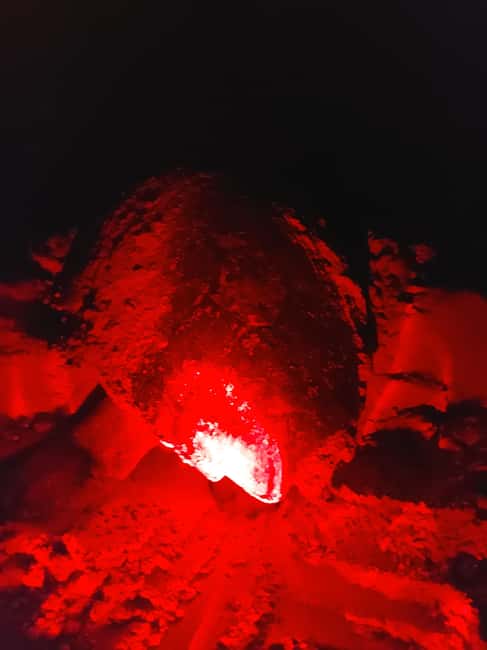
- You may watch the full nesting routine, from choosing a site and digging to laying 65 to 100 eggs and covering the nest.
- The group waits quietly on the beach, since noise, movement, and other disturbances can make a turtle turn back.
- A 4×4 vehicle takes you over a rough track, making the trip practical for remote beach access but less comfortable for anyone with back problems.
- The experience includes hotel pickup at about 7 p.m., followed by a guide’s introduction before the beach walk.
- Conservation work protects the nesting beaches, including checks on eggs before hatchlings return to the sea.
Why Boa Vista’s turtle season matters
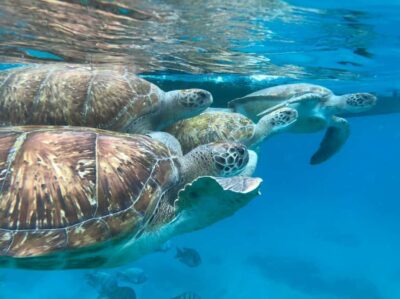
Boa Vista is one of the Cape Verde islands where sea turtles come ashore to nest. This tour takes place during the nesting period, from July to the end of September, giving you a chance to see the animals during one of the most important parts of their life cycle.
The appeal is not simply seeing a turtle at night. You are watching a careful natural routine that has taken place for generations. The turtle leaves the water, searches for a suitable place, prepares the ground, lays her eggs, seals the hole, disguises the site, and heads back toward the sea.
That process takes patience. You cannot hurry it along, call the turtle closer, or expect a fixed show time. If she senses danger, she may stay in the water or turn back. I see that as part of the value. The experience depends on respecting the animal rather than controlling the encounter.
The tour also gives you useful conservation context. One guide explained how yellow fever affected the island and why conservation teams now monitor the turtles and check the eggs when they are due to hatch. That background helps you understand why quiet behavior and careful movement on the beach matter.
More Turtle Watching in Boa Vista
- Boa Vista: Shark, Turtles, Cave, Sandboarding & Tasting Tour
★ 4.8 · 328 reviews - Boavista: Turtle, Shark, Santa Monica, Sandboard & Tasting
★ 4.7 · 228 reviews - Boa Vista: Beautiful Beaches, Turtles & Djeu Island Snorkel
★ 4.6 · 100 reviews
The 7 p.m. hotel pickup and 4×4 ride
Pickup is scheduled for about 7 p.m. at your hotel. From there, the group heads toward the beach in a 4×4 vehicle, the sensible choice for reaching rougher coastal tracks after dark.
The ride is part of the practical trade-off. A 4×4 can take you where a standard road vehicle may not, but the track can be bumpy and uncomfortable. If you have back problems, this trip is not a good fit. The experience is also not suitable for wheelchair users, and children under two cannot join.
Allow some flexibility around the pickup time. One booking began roughly 45 minutes late, and the delayed start was not explained clearly at first. That created needless worry, especially because other beach excursions were leaving at the same time. If you are waiting outside your hotel, keep your phone nearby and give the operator a little extra time before assuming the trip has been cancelled.
The vehicle includes a baby seat, which is useful for families with a small child who meets the age requirements. The tour does not provide a smooth, resort-style transfer, so comfortable clothing and sensible expectations help.
The guide’s beach briefing
Once you reach the beach, the guide gives an introduction to the turtles and explains what you are about to see. This briefing is important because the right behavior can affect the entire encounter.
You will be told how the procedure works and why the group must wait. A nesting turtle is easily disturbed, particularly while she is deciding where to make her nest. The guide’s job is to help you watch without crowding her or making sudden movements.
The language choice is another practical plus. Tours are available in English, Italian, Portuguese, Spanish, and French. That makes the explanation easier to follow for a mixed international group, though the exact language arrangement may depend on the booking.
The group then waits. This is not a quick beach stop where you arrive, take a photograph, and leave five minutes later. The turtle may take time to come ashore, and you need to accept a quiet period with little visible action. Bring the right attitude, and the waiting becomes part of the wildlife experience. Expect a fixed performance, and the evening may feel slow.
Watching the turtle choose her nesting site
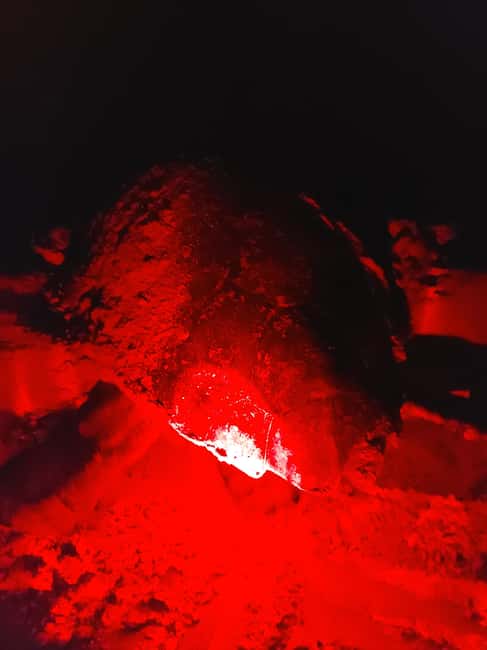
The first visible stage is often the most suspenseful. You may see the turtle come out of the sea and move up the sand, searching for a suitable place to lay her eggs.
She does not simply stop at the first patch of beach. The turtle examines the ground and may begin preparing one spot before deciding it is unsuitable. If the sand or surface does not work, she searches for another place and starts again.
This is where the guide’s instructions matter most. You need to stay quiet and give the animal time. The turtle’s caution is easy to understand: the beach is exposed, and she is making a nest while relying on darkness for protection.
The group watches as she settles into the task. You may find the slow pace surprisingly moving. There is no staged contact and no feeding. You are present for a natural act that unfolds on the turtle’s schedule.
A completely different sort of day out:
- Boa Vista: Santa Monica, Dunes, Caves and Village 4×4 Tour
★ 4.8 · 137 reviews - Boa Vista Jeep Expedition: Shipwreck & Viana Desert (4-Hour)
★ 4.9 · 134 reviews - Boa Vista Quad Tour: Shipwreck & Viana Desert (2-Hour)
★ 4.9 · 121 reviews - Boa Vista: Whale Watching Trip with Motoryacht
★ 4.3 · 115 reviews
The egg laying and nest camouflage
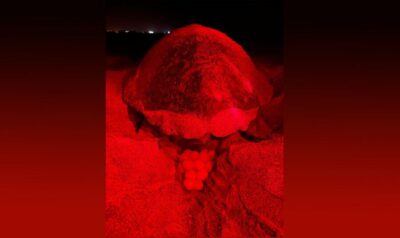
When the turtle finds the right spot, she digs a hole in the sand. Once the cavity is ready, she begins laying her eggs, usually between 65 and 100.
The number gives you a sense of the scale of the nesting effort. This is not one or two eggs placed casually in the sand. The turtle spends time creating a protected nest, releasing the eggs, and then closing the opening.
After laying, she covers the hole and works to camouflage the area. That final step can be as interesting as the egg laying itself. The nest needs to be difficult to spot, and the turtle’s movements help disguise where the eggs are buried.
You then wait while she makes her way back toward the sea. The return is the natural end of the encounter, and the group leaves after the turtle has gone. The guide does not turn the moment into a photo opportunity at the animal’s expense, which is exactly the right approach.
Conservation adds meaning to the night
Seeing a turtle is memorable, but I find the conservation element gives the outing more weight. The eggs are not simply left without attention. Conservation teams monitor the nests and check on the eggs as the time comes for the young turtles to return to the sea.
That does not mean the tour is a hatchling release activity. The stated experience focuses on adult turtles laying eggs. Still, learning that the nesting sites and eggs receive protection helps you see the beach as more than a scenic setting.
The information about yellow fever and conservation on the island also adds local context. It explains why protecting the remaining turtle population is taken seriously. If you care about wildlife, this is one of the strongest reasons to choose the tour over a standard evening excursion.
Keep your own impact small. Follow the guide, avoid sudden movement, and do not use the beach as a normal sightseeing stop. The turtle’s safety comes before a perfect photograph.
What the $82 price includes
The cost is $82 per person. That includes hotel pickup, the 4×4 vehicle, the guided beach experience, and a baby seat where needed.
I would judge the value by the type of evening you want. If you are looking for guaranteed entertainment, a short transfer, and a tightly timed program, this may feel expensive. Wildlife does not follow a timetable, and some of your evening may involve waiting in the dark.
If you want a rare chance to observe a turtle nesting in the wild, the cost is easier to justify. You are paying for transport to the beach, a guide who explains the process, and access to an experience that cannot be recreated at a normal attraction. The full nesting sequence, especially the digging, egg laying, camouflage, and return to the water, makes the evening more than a simple animal sighting.
The tour also avoids the false promise of a guaranteed encounter in the supplied details. The turtle may not feel safe enough to come ashore, so you should book with that possibility in mind. The experience is strongest for people who value the attempt and the setting, not only the final sighting.
Clothing, insects, and comfort after dark
Bring comfortable shoes. You will be moving from the vehicle to the beach and walking quietly across sand, so ordinary beach sandals may not be your best choice.
Take a jacket too. The outing takes place at night, and the open beach can feel cool even when the day was warm. A light outer layer is easy to carry and may make the waiting period much more pleasant.
Use biodegradable insect repellent. Insect allergies are listed as a reason not to join, so anyone with a serious sensitivity should consider another evening activity. Biodegradable repellent is the responsible choice near a natural beach environment.
I would also avoid bringing anything that encourages bright lights or noisy movement. The supplied information stresses the turtle’s fear of disturbance, and your guide will explain how to behave. Pack lightly, keep your movements controlled, and let the guide manage the approach.
Who will enjoy this experience most
I would recommend this tour to anyone with a strong interest in wildlife, conservation, or natural events that cannot be scheduled to the minute. It is especially suited to people who can sit quietly, wait patiently, and accept that the turtle controls the evening.
It also works well for visitors who want something beyond a resort activity. Boa Vista’s beaches are not only places for daytime swimming and sun. At night, they become nesting grounds, and the change in setting gives this tour a different character.
Families should check the age and comfort limits carefully. Children under two are not permitted, and the rough 4×4 route may be hard on young children or anyone who needs a smoother ride. A baby seat is included, but that does not remove the bumpy nature of the journey.
I would not choose this for someone with back problems, wheelchair users, or people with insect allergies. The beach setting, vehicle ride, waiting, and sand all make those restrictions important rather than minor fine print.
Timing problems and how to handle them
The biggest practical weakness is communication around pickup. A scheduled 7 p.m. departure may not happen exactly then, and a delay of about 45 minutes occurred on one outing. The problem was not the delay itself, but the lack of early information.
You can reduce the stress by arriving at the pickup point a little early, keeping your confirmation available on your phone, and asking hotel staff to help contact the operator if the vehicle does not arrive. Bring patience, because Cape Verde often runs on a relaxed pace, but do not hesitate to seek an update.
There was also an issue where names were not initially on the operator’s list, even though the booking confirmation was available on a phone. The group was allowed to join, but carrying your confirmation is wise. It can prevent an avoidable problem at the start of an otherwise special night.
The friendly guide helped recover the mood and worked hard to make the outing run well. Still, clear pickup communication would make the experience feel more polished.
Cancellation and booking flexibility
You can cancel up to 24 hours in advance for a full refund. You can also reserve now and pay later, which helps if your Cape Verde plans are still changing.
Because the nesting season is limited to July through September, check that your visit falls within those months before you reserve. Booking outside that period would not match the stated turtle-watching season.
I would also avoid planning this as your only chance to see wildlife if your schedule is very tight. The turtle must come ashore and feel safe, and the pickup may not run exactly on time. Leave room around the evening rather than booking another fixed activity immediately afterward.
Should you book the Boa Vista turtle tour?
Yes, if you want a patient, respectful wildlife encounter and you are visiting between July and late September. Watching a turtle dig, lay up to 100 eggs, hide the nest, and return to the sea is a powerful natural experience, and the conservation explanation adds real value.
Book with realistic expectations. The ride can be rough, pickup may be delayed, insects are possible, and the turtle decides whether the encounter happens. For me, those limits are part of the bargain. You are not buying a stage show. You are setting aside an evening for a wild animal to do what it has done for ages.
At $82, I think the tour is worthwhile for wildlife lovers who can handle the waiting and the basic conditions. If you need precise timing, easy access, or guaranteed action, choose a different activity. If you can stay quiet and let the beach set the pace, this can become one of Boa Vista’s most memorable nights.
FAQ
Where does the turtle-watching tour take place?
The experience takes place on Boa Vista Island in Cape Verde, at a beach where turtles come ashore to lay eggs.
What months are turtles laying eggs on Boa Vista?
The turtle season runs from July through the end of September.
What time is hotel pickup?
Hotel pickup is scheduled for about 7 p.m.
How many eggs does a turtle lay?
A turtle may lay between 65 and 100 eggs during the nesting process.
What happens after the turtle lays her eggs?
She closes the hole, camouflages the nest, and returns to the sea.
Is transportation included?
Yes. Transportation by 4×4 vehicle is included.
Is a baby seat available?
Yes. A seat for a baby is included, although children under two are not suitable for this experience.
Which languages are available?
The tour is available in English, Italian, Portuguese, Spanish, and French.
What should I bring?
Bring comfortable shoes, a jacket, and biodegradable insect repellent.
Just added in Boa Vista
- Whale watching tour SEASONAL★ 4.1 · 3 reviews
- Island tour & cattle & Taste local flavors★ 5.0 · 3 reviews
- Turtle Experience in Boa Vista★ 5.0 · 1 review
- Exciting Buggy Adventure under the Stars in Boa Vista★ 5.0 · 4 reviews
- Experience with sea turtles in Boavista★ 5.0 · 2 reviews
- Private Day Tour of Boa Vista from S. Monica to Sal Rei★ 5.0 · 1 review
- Boa Vista: Half-day Tour + Santa Monica Beach by 4×4★ 4.5 · 6 reviews
- Boa Vista: Full-Day Wild Beaches & Viana Desert Experience★ 5.0 · 6 reviews
Turtle Watching, compared.
Shark, Turtles, Cave, Sandboarding & Tasting Tour
Read our review →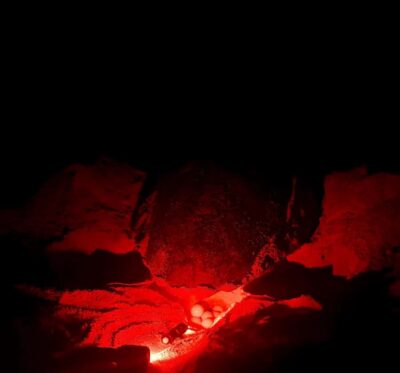
Turtle, Shark, Santa Monica, Sandboard & Tasting
Read our review →
Beautiful Beaches, Turtles & Djeu Island Snorkel
Read our review →
Browse the lists this tour appears in