
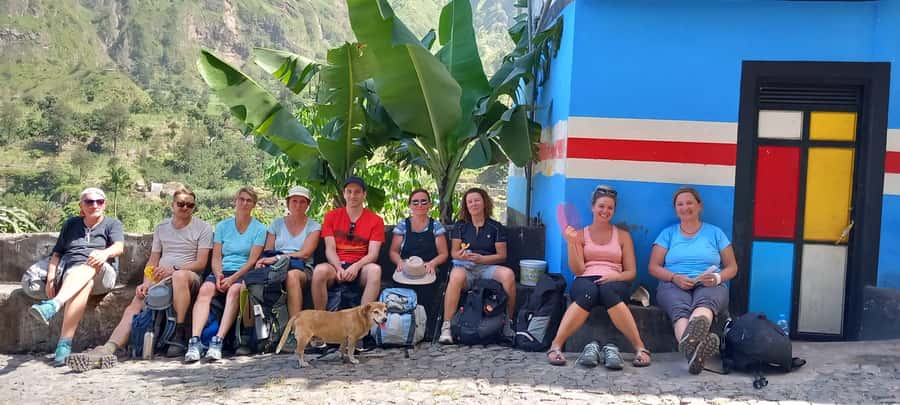
Reviewed · SANTO ANTÃO TOURS
Santo Antão: 2-Day Guided Hiking Tour
Two days can reveal Santo Antão’s big secret. This guided hike links the island’s Cova Crater, mountain valleys, and Atlantic viewpoints with the green terraces around Ribeira da Torre and Ribeira do Paul. I like the way the trip combines serious walking with local food, village life, and a sugar cane distillery visit instead of treating the island as scenery viewed from a vehicle.
I also like the practical setup: ferry tickets, minibus transfers, accommodation, meals, and a live guide are included. The main caution is simple: this is a challenging mountain route, not a gentle sightseeing tour. You need comfortable hiking shoes, water, sun protection, and enough stamina for climbs.
In This Review
- Key points at a glance
- Why this two-day route works so well
- Day one at Cova Crater and the Atlantic viewpoints
- Ribeira da Torre, Ribeira do Paul, and working valleys
- Vila das Pombas and the overnight pause
- What the $471 price really covers
- Guides, transport, and the practical side
- What to pack for the mountain route
- Who should book this tour?
- Should you book the Santo Antão hike?
- FAQ
- How long is the Santo Antão hiking tour?
- What places does the tour visit?
- Is the hiking difficult?
- Are ferry tickets included?
- Are meals included?
- Is accommodation included?
- Which languages are available for the guide?
- Who should not take this tour?
Key points at a glance
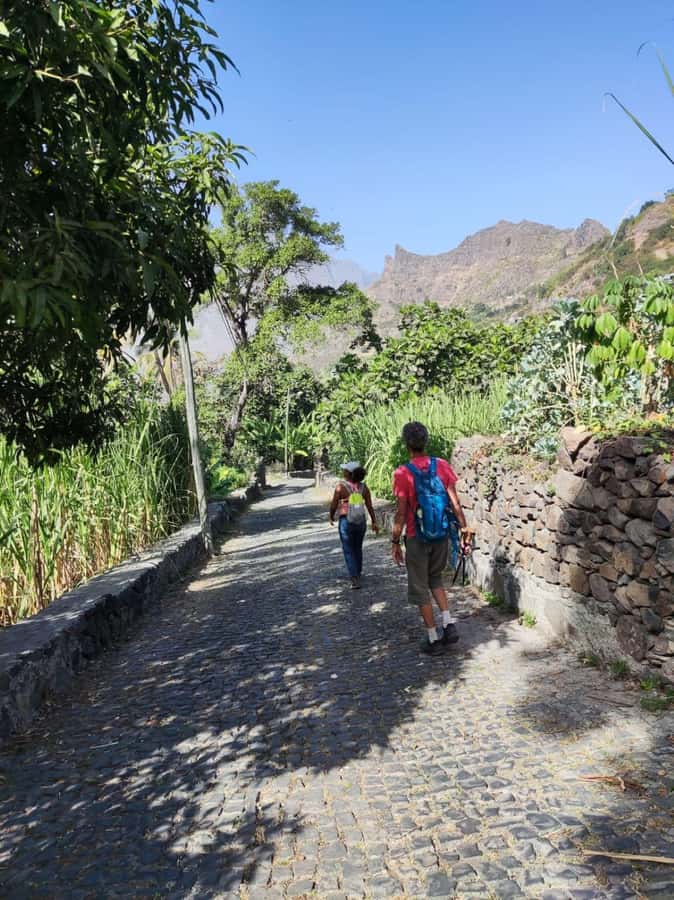
- Cova Crater opens the tour with a dramatic mountain setting, surrounded by rocky peaks and high viewpoints.
- The first day is the demanding one, with climbs rewarded by views of the Atlantic and thick green vegetation.
- Vila das Pombas provides a useful overnight pause, with time to rest and eat local food after the hike.
- Ribeira da Torre brings a different side of Santo Antão, including banana plantations, terraces, and houses scattered across the hills.
- A 5-kilometer second-day walk keeps the final outing manageable, though the full tour still requires good mobility.
- The $471 price includes the expensive moving parts, including round-trip ferry travel, transfers, lodging, two lunches, dinner, and guiding.
Why this two-day route works so well
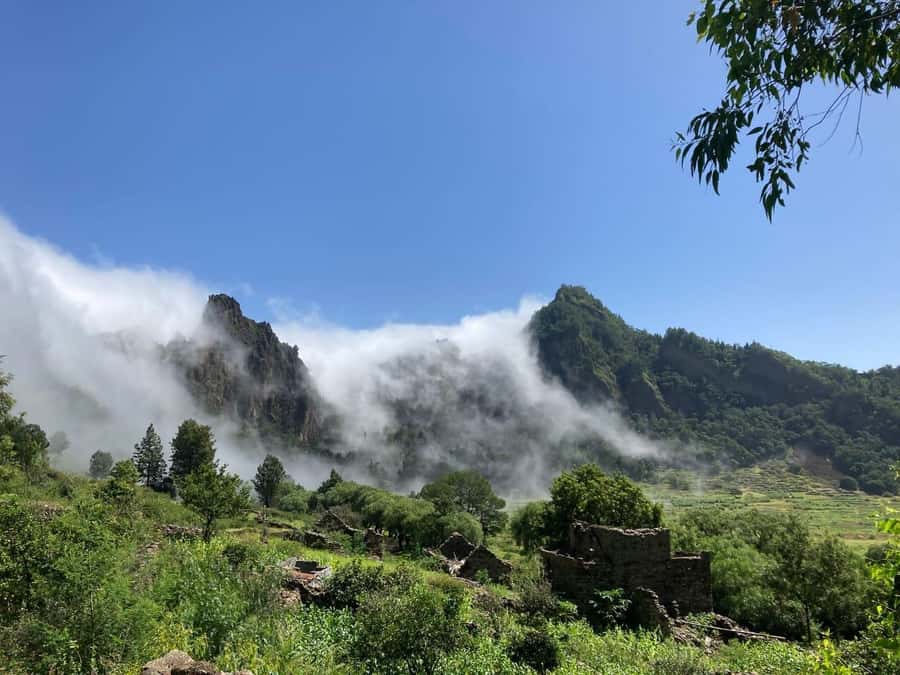
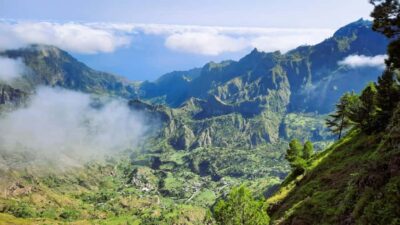
Santo Antão is an island of steep mountains, narrow valleys, cultivated slopes, and small settlements. A short visit can easily become a blur of sharp turns and grand viewpoints. This tour gives you time to move through the island on foot, where the changes in vegetation and settlement become easier to notice.
The route also has a useful rhythm. Day one focuses on the higher mountain country and the hard walking. Day two shifts toward cultivated valleys, banana plantations, terraces, and traditional houses. That contrast gives the trip more depth than a single viewpoint stop.
I especially like the balance between wild scenery and working countryside. You are not simply walking through empty hills. You see places shaped by farming, local homes, and old paths between valleys. The tour connects natural beauty with the daily life of Santo Antão.
The organization is another strong point. The experience includes the ferry, transfers by minibus, guided hikes, accommodation, meals, and an entry ticket to a sugar cane distillery. One verified assessment praised the organization and said the guide made the two intense days even better. That is important here, since a route involving boats, roads, lodging, food, and mountain walking can become awkward when handled poorly.
More Hikes in Santo Antão
- Santo Antão: Day Trip by Car or Trek
★ 5.0 · 72 reviews - Santo Antão: Hiking Cova Volcano Crater to Ribeira Paúl
★ 4.5 · 31 reviews - Santo Antão: Ponta do Sol & Fontainhas Guided Trip with Hike
★ 4.8 · 9 reviews
Day one at Cova Crater and the Atlantic viewpoints
The first day begins at Cova Crater, a striking volcanic setting ringed by rocky mountains. This is a fitting start because it gives you an immediate sense of Santo Antão’s scale. The crater is not just a quick photo stop. It sets up the geological drama of the route before you begin crossing mountains and valleys.
From there, expect a demanding walk with some difficult climbs. The exact pace will depend on the group and the guide, but the supplied details make clear that day one is the tougher hiking day. You should arrive ready for sustained effort rather than assuming the ferry and minibus transfers will do most of the work.
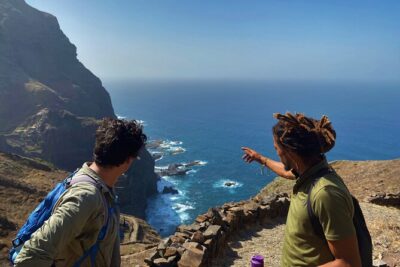
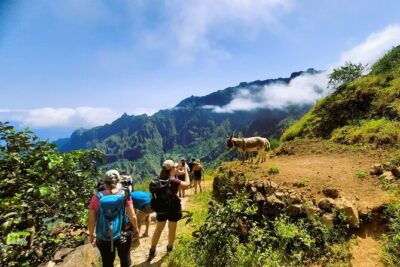
The reward comes in stages. As you gain height or pass through open sections, you may see the Atlantic beyond the mountain folds. Other sections bring thick plant growth and cultivated slopes. This repeated change between rock, green valleys, and distant sea is what gives the walk its character.
I would not choose this tour for a holiday built around easy strolls. The phrase challenging hike matters. Even fit walkers should pack carefully and take the basics seriously. Comfortable hiking shoes are required, and water is not included, so you need to carry enough for your own needs. Snacks are also recommended.
Sun exposure is another concern. Bring a hat and sunscreen, even if some parts of the route feel cool or shaded. A camera is worth carrying, but keep it secondary to safe footing. Mountain paths and steep climbs are not the place to spend the whole walk looking at a screen.
Ribeira da Torre, Ribeira do Paul, and working valleys
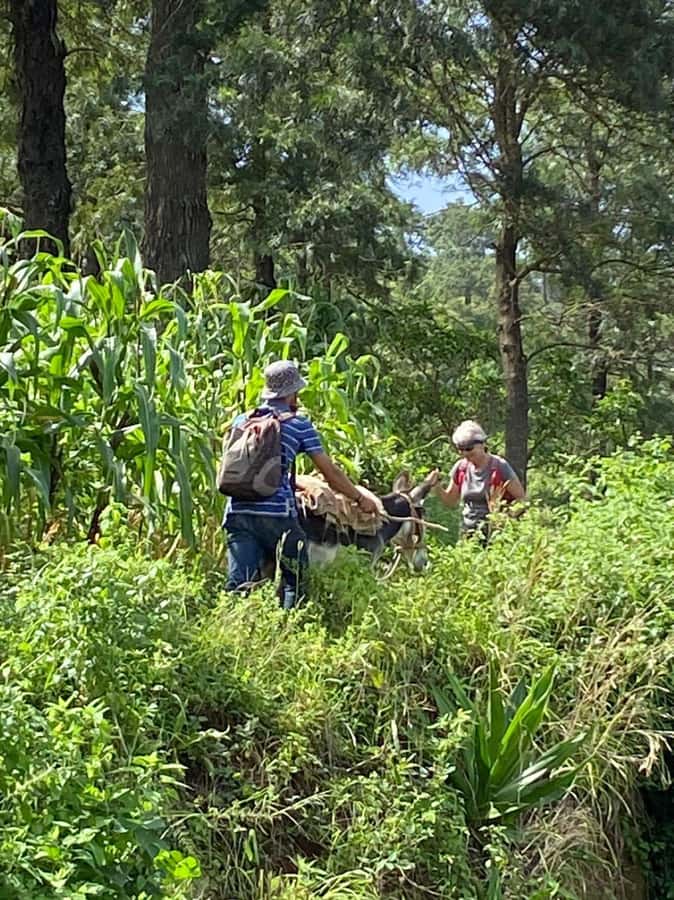
The second day turns toward the cultivated valleys of Ribeira da Torre, with the wider route also featuring Ribeira do Paul. Here the scenery changes from high, rocky country to a more settled pattern of plantations, terraces, and homes.
Ribeira da Torre is especially appealing for anyone interested in how people use Santo Antão’s steep ground. Banana plantations occupy sections of the valley, while cultivation terraces climb the slopes. Traditional houses appear on the hills, giving the route a human scale. You begin to see the mountains not as barriers, but as places where communities have built homes and farms.
The second-day walk is listed as 5 kilometers. That makes it shorter than the hard opening day and gives the trip a more relaxed finish, though it is still a walking tour in mountainous terrain. The route is described as a short walk through the valley, with unusual mountain shapes along the way.
That shorter distance is useful for two reasons. First, it lets you pay closer attention to the valley rather than simply concentrating on reaching the end. Second, it gives your legs some recovery after day one. Still, do not read 5 kilometers as a guarantee of flat or effortless walking. The tour is not suitable for people with mobility impairments or wheelchair users, and pregnant women should not book it.
The references to Ribeira do Paul and Ribeira da Torre can sound similar when planning, so check the exact day’s route and starting time when you reserve. The supplied details clearly place Ribeira da Torre and its plantations on day two, while the wider tour description includes Ribeira do Paul as one of the main areas visited.
Vila das Pombas and the overnight pause
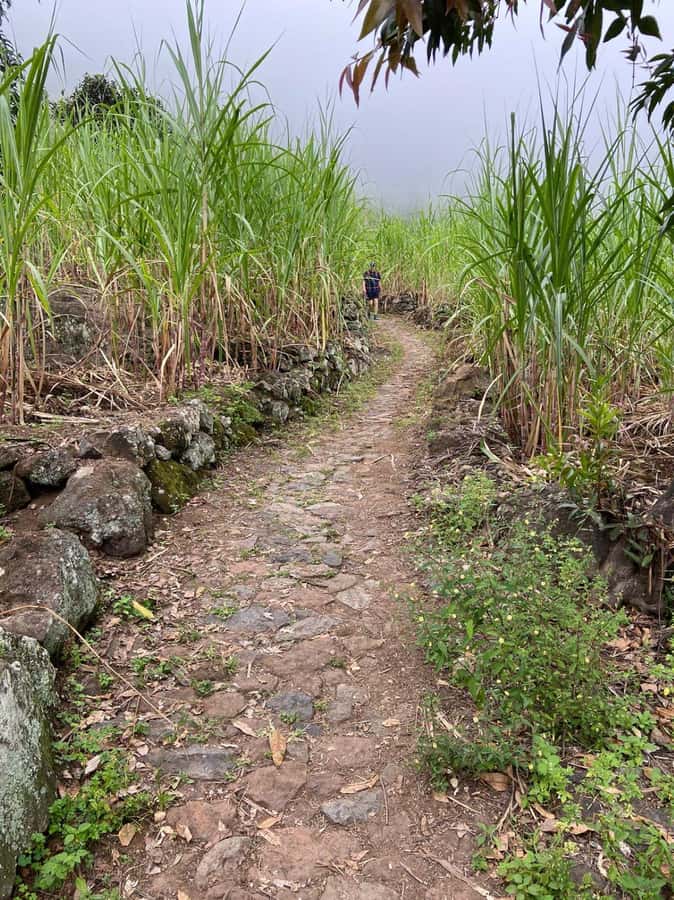
At the end of the first day, you reach Vila das Pombas, described as a small town with colonial-style character. After a day of climbs, this stop matters as much for rest as for sightseeing.
You have the chance to slow down, enjoy local cuisine, and recover before the second day. The tour includes accommodation, one traditional dinner, and two traditional lunches. Breakfast is not listed, so you should not assume it is part of the package.
The overnight stay also prevents the tour from feeling like a race across the island. Instead of returning to a starting point after a long walk, you finish the first day in a place where the schedule can breathe. That is a practical advantage for anyone who wants the walking to remain the center of the trip.
The town is described as charming, but no specific hotel or room standard is provided. If accommodation quality is a major concern for you, ask the provider for the property details before booking. The same applies to room arrangements and meal timing. The package includes accommodation and meals, but not every comfort detail is spelled out.
A completely different sort of day out:
- From São Vicente: Santo Antão Day Trip with Local Guide
★ 4.7 · 101 reviews - Santo Antão Highlights: Day Trip by Car with Ferry from SV
★ 4.8 · 84 reviews - Santo Antão: Full Day Island Tour & Visit to Cova de Paúl
★ 4.8 · 54 reviews - Full-Day Island Tour in Santo Antão with Lunch Included
★ 4.5 · 14 reviews
What the $471 price really covers
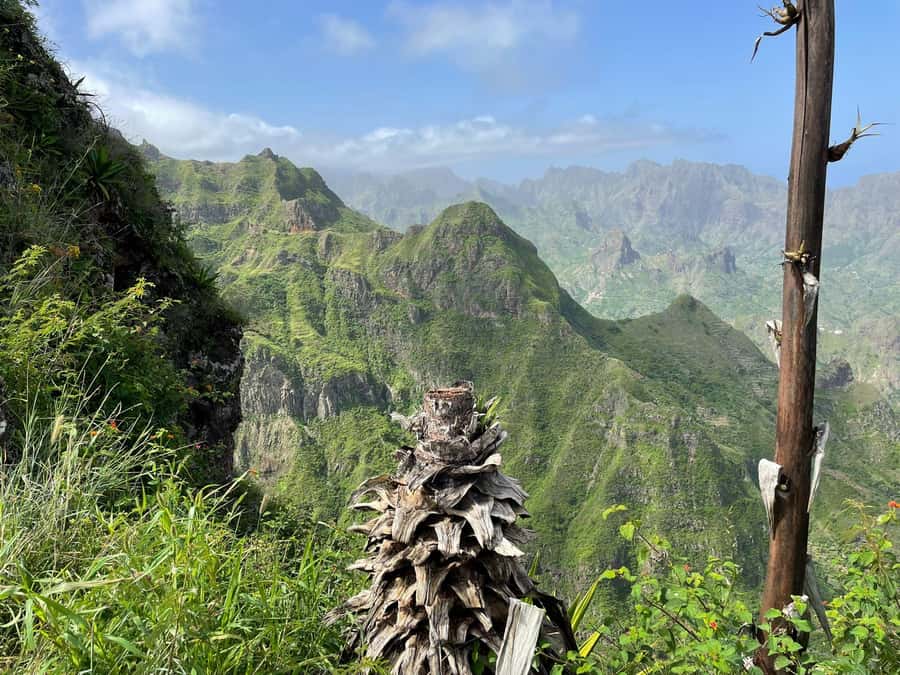
At $471 per person, this is not a cheap day outing. It is also not fair to compare the price with a simple guided walk, because the package includes several separate services.
Your price covers:
- Round-trip ferry tickets
- Guided hiking on both days
- Minibus transfers
- Accommodation
- Two traditional lunches
- One traditional dinner
- Entrance to a sugar cane distillery
- A live guide
The ferry alone adds logistics that you would otherwise need to arrange yourself. The minibus transfers connect the ferry, trail areas, villages, and overnight stop. Accommodation and three listed meals remove more planning from a two-day island trip.
The distillery entry is a nice cultural touch. It gives you something connected to local production rather than adding another scenic overlook. The supplied information does not describe the distillery process or tasting details, so keep expectations modest. Think of it as a useful local stop included in the route, not the main reason to book.
The value depends on how much you would otherwise spend arranging Santo Antão independently. If you already have ferry tickets, lodging, transport, and a trusted hiking plan, the package may feel expensive. If you want one booking to coordinate the moving parts, the price is easier to justify.
Water and personal expenses are excluded. That is the main budget detail to remember. Bring money for anything outside the included meals and entrance, and carry your own drinking water from the start.
Guides, transport, and the practical side
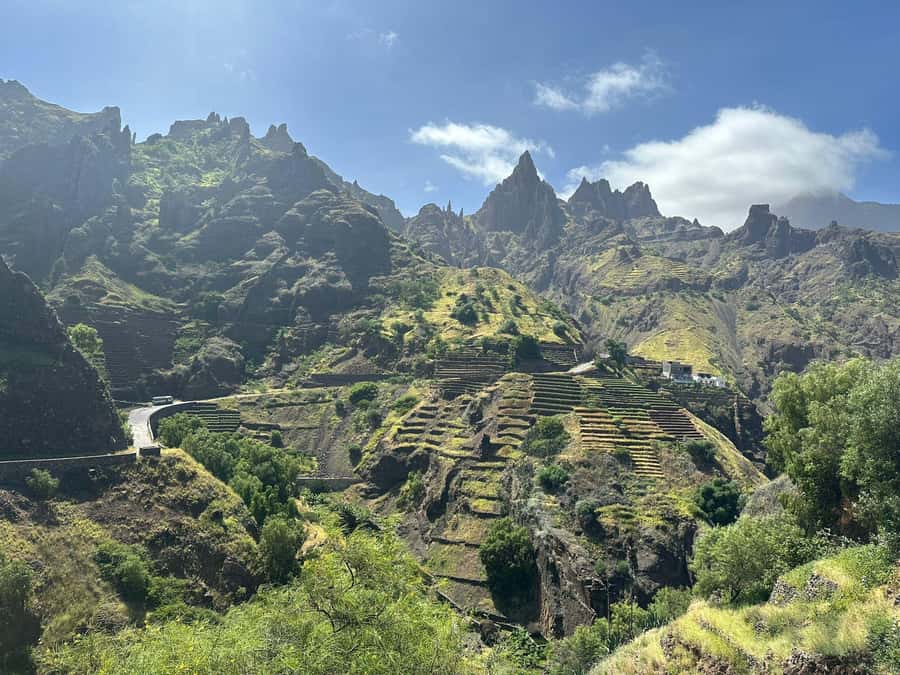
A live guide leads the tour, with guiding available in English, German, French, Spanish, Portuguese, and Russian. That broad language range is useful, especially on a route where safety, pace, and directions matter.
No individual guide’s name is provided, so I cannot tell you who will lead your departure. The strongest available praise concerns the organization and the guide’s role in making the two intense days work well. On a mountain trip, that kind of coordination is more valuable than a polished speech at each stop.
Pickup is included. You should look for the guide displaying the Zion Tours Cabo Verde logo. That small detail can save time when you are waiting at a busy pickup point.
Transfers take place in a minibus. This means you are not responsible for connecting each part of the trip by yourself, but it also means the tour follows a set group schedule. Check availability for the actual starting time before booking, since the duration is two days but a universal departure time is not provided.
The tour is offered with free cancellation up to 24 hours before the start, and you can reserve now and pay later. Those terms are helpful if your Cape Verde plans are still shifting, though you should still confirm the exact booking conditions at checkout.
What to pack for the mountain route
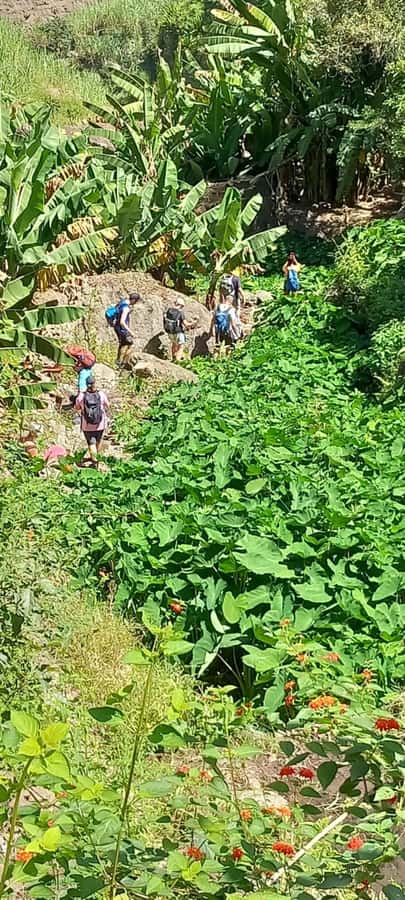
Keep your packing list practical. You do not need fancy equipment, but you do need the basics for a full day outside.
- Comfortable hiking shoes with good support
- Plenty of water
- Snacks
- Sun hat
- Sunscreen
- Camera
- Personal spending money
Water deserves special emphasis because it is specifically excluded. Do not count on buying it along the route. Snacks are also a sensible addition because the hiking day is challenging and meal timing may not match your usual routine.
Wear shoes you have already used. New footwear is a poor gamble on a route with climbs. Lightweight clothing and sun protection should help, but the provided information does not give a weather forecast or a packing list for rain, so check conditions close to departure.
Pack out every wrapper and bottle. Littering is not allowed, and the rule is particularly important in mountain valleys and farming areas.
Who should book this tour?
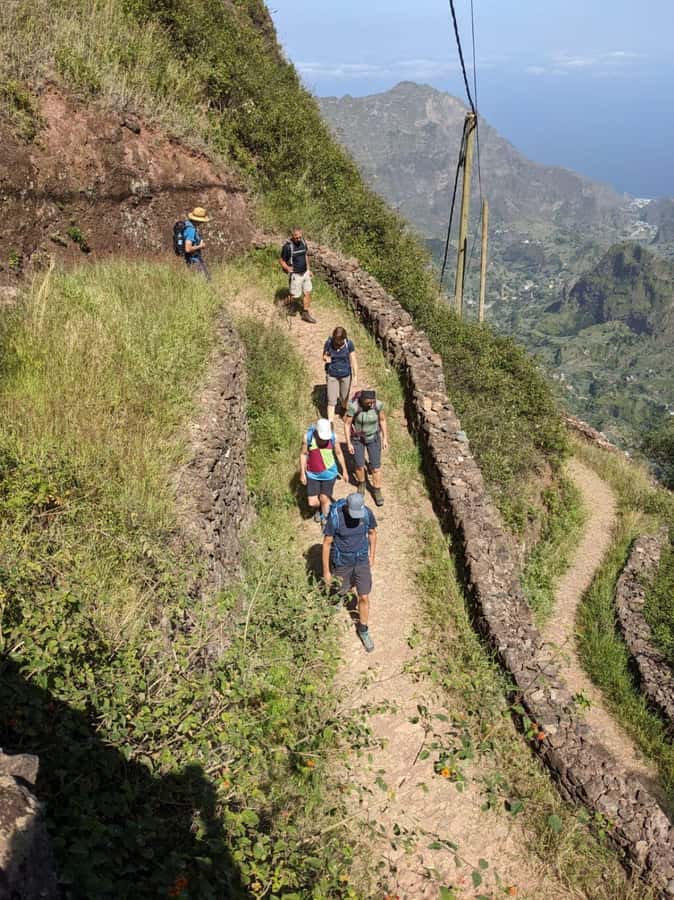
I would recommend this trip to active visitors who want to see Santo Antão through a mixture of hiking, village scenery, farming areas, and local food. It is a good fit if you enjoy full days outside and prefer having transport and lodging arranged.
It also suits visitors with limited time. Two days is enough to reach several of the island’s major natural and agricultural areas without building the entire plan from scratch. The ferry, minibus, and overnight stay make the route easier to manage than piecing together separate services.
You should think twice if you dislike climbs, prefer private schedules, or need step-free access. The first day is demanding, and the tour is not suitable for pregnant women, people with mobility impairments, or wheelchair users.
Families should judge this case by case, since no minimum age or child policy is provided. The key question is not simply age. It is whether each person can handle a challenging mountain walk with proper shoes, water, and sun protection.
Should you book the Santo Antão hike?
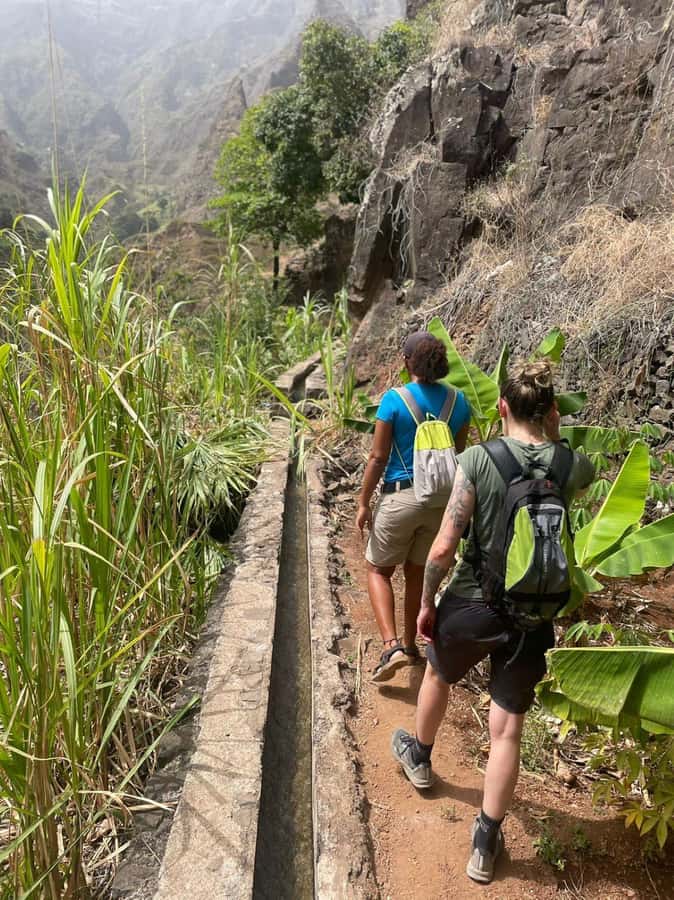
Book it if you want Santo Antão’s mountains and valleys to be the main event, and if you value having the ferry, transfers, food, lodging, and guide handled together. The strongest reasons are the varied route, the carefully arranged two-day format, and the shift from Cova Crater’s rocky heights to Ribeira da Torre’s banana plantations and terraces.
Skip it if you want an easy scenic tour or need a highly flexible itinerary. At $471, the package earns its value through convenience and coverage, not through a low price.
For active visitors, this is a strong way to see more of Santo Antão in a short time. Just bring water, wear proper shoes, and treat the first day as a real hike.
FAQ
How long is the Santo Antão hiking tour?
The tour lasts two days and includes one night of accommodation.
What places does the tour visit?
The route includes Cova Crater, Ribeira da Torre, Ribeira do Paul, Vila das Pombas, mountain valleys, traditional villages, cultivation terraces, and banana plantations.
Is the hiking difficult?
Yes. The first day includes challenging climbs and is described as a demanding hike. The second day includes a shorter walk of 5 kilometers.
Are ferry tickets included?
Yes. Round-trip ferry tickets are included in the price.
Are meals included?
Yes. The package includes two traditional lunches and one traditional dinner. Water and personal expenses are not included.
Is accommodation included?
Yes. Accommodation for the overnight stay is included.
Which languages are available for the guide?
The live guide service is available in English, German, French, Spanish, Portuguese, and Russian.
Who should not take this tour?
The tour is not suitable for pregnant women, people with mobility impairments, or wheelchair users.
Just added in Santo Antão
- Full-Day Hiking Experience Ponta do Sol – Fontainhas – Cruzinha with Lunch★ 5.0 · 1 review
- Private Day Trip to Santo Antão with Lunch★ 5.0 · 1 review
- Santo Antão: Hike Ponta do Sol – Fontainhas – Cruzinha★ 5.0 · 6 reviews
- Best of Santo Antão: 3 days hiking tour★ 5.0 · 2 reviews
- Discovering Santo Antão Island by car★ 5.0 · 2 reviews
- Cape Verde – Santiago, Fogo, São Vicente & Santo Antão Islands 11 Days★ 5.0 · 3 reviews
- Shore Excursion, Santo Antão, Full Day, Highlights by car★ 5.0 · 2 reviews
- Santo Antão: Remote Mountain Villages Hike★ 4.4 · 2 reviews
Santo Antão Tours, compared.
Santo Antão Highlights: Day Trip by Car with Ferry from SV
Read our review →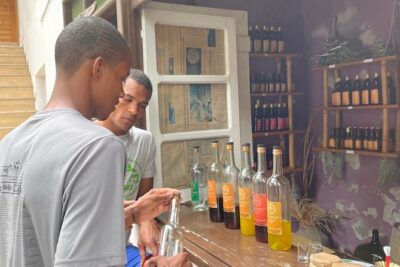
Full-Day Island Tour in Santo Antão with Lunch Included
Read our review →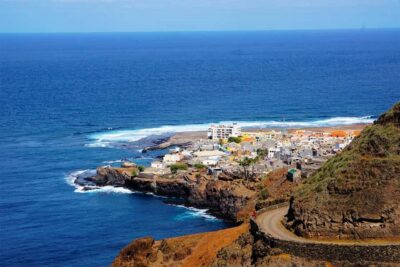
Trekking Cova de Paúl Volcano Crater – Ribeira de Paúl
Read our review →Browse the lists this tour appears in