
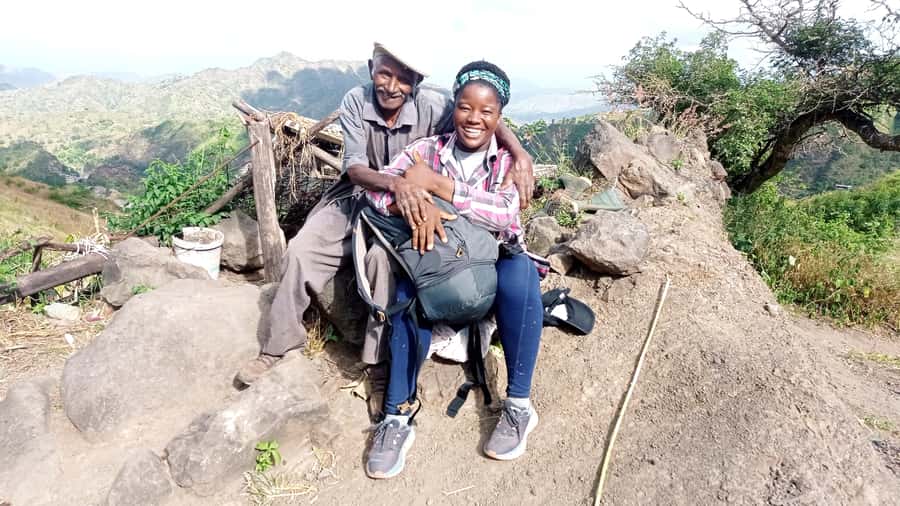
Reviewed · SANTIAGO TOURS
Praia: Longueira – Pico Riba Hike with Picnic
Santiago opens up on foot. This seven-hour trip from Praia takes you into Longueira and São Jorge dos Órgãos, where steep paths, small farms, village homes, and mountain views replace the city streets. I like the small group of up to eight people and the chance to meet local farmers rather than simply look at Santiago through a vehicle window. The fresh strawberries, available from December to April, are another fine touch. The catch is clear: this is a difficult hike with five hours of walking, so it is not a casual countryside outing.
I also like the picnic at about 600 meters, where you can look across the São Jorge valley and its ancient volcanic crater. The tuna sandwich, fruit, and juice keep the meal simple and useful. If Maria is your guide, you may benefit from her friendly approach and her ability to adjust the route to the group’s level. Still, the 400-meter ascent, uneven terrain, sun, and steep rocks demand proper shoes and a fair level of fitness.
In This Review
- Key points at a glance
- Leaving Praia for Longueira
- Longueira’s school, eco bar, and rum tradition
- Walking through homes and small farms
- Strawberries, seasons, and farm tastes
- The 600-meter climb to Pico Riba
- A picnic above the São Jorge valley
- Descending to Pico Riba village
- What the $111 price really covers
- Who should book this hike
- Practical preparation for a better day
- Should you book the Longueira to Pico Riba hike?
- FAQ
- How long does the Longueira to Pico Riba hike take?
- Where does the tour begin?
- What is the hiking difficulty?
- How high is the Pico Riba viewpoint?
- Can I see Santiago Island’s highest point?
- Are strawberries available all year?
- What food is included?
- Which languages are available for the guided tour?
- Is the hike suitable for wheelchair users or people with mobility impairments?
Key points at a glance
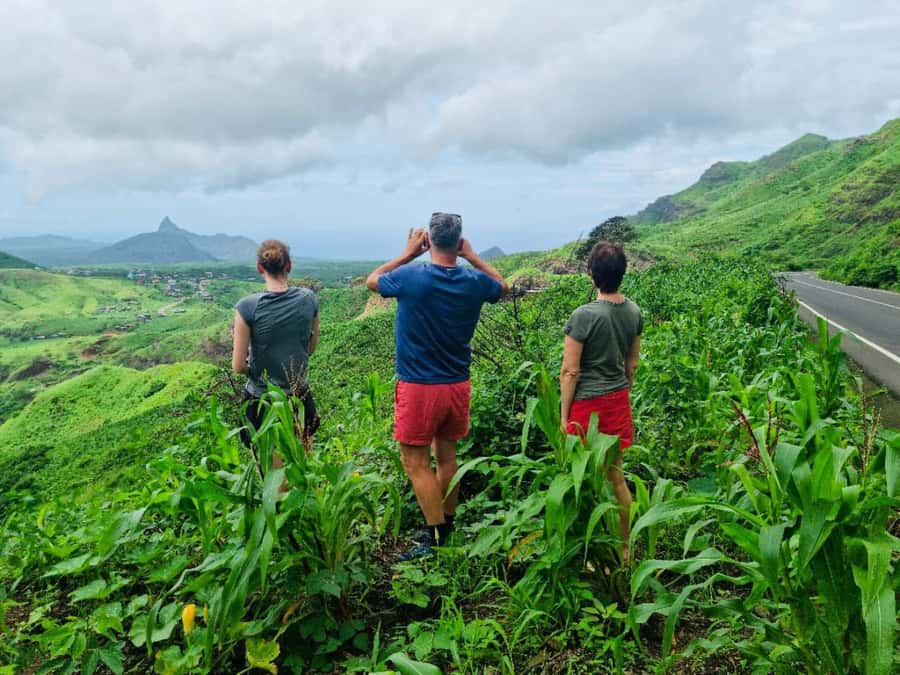
- Pico D’Antónia in view: See Santiago Island’s highest point at 1,394 meters while exploring the São Jorge dos Órgãos area.
- Pico Riba summit: Reach a 600-meter viewpoint over the São Jorge valley and an old volcanic crater.
- Seasonal farm produce: Taste locally grown strawberries from December through April, along with views of mango, cassava, and papaya fields.
- Rural encounters: Walk among local homes and farms, with time to connect with people in the countryside.
- Useful picnic stop: Eat tuna sandwiches, fruit, and juice at one of the island’s best viewpoints.
- Serious walking day: Expect five hours on foot, a 400-meter ascent, and a 250-meter descent.
Leaving Praia for Longueira
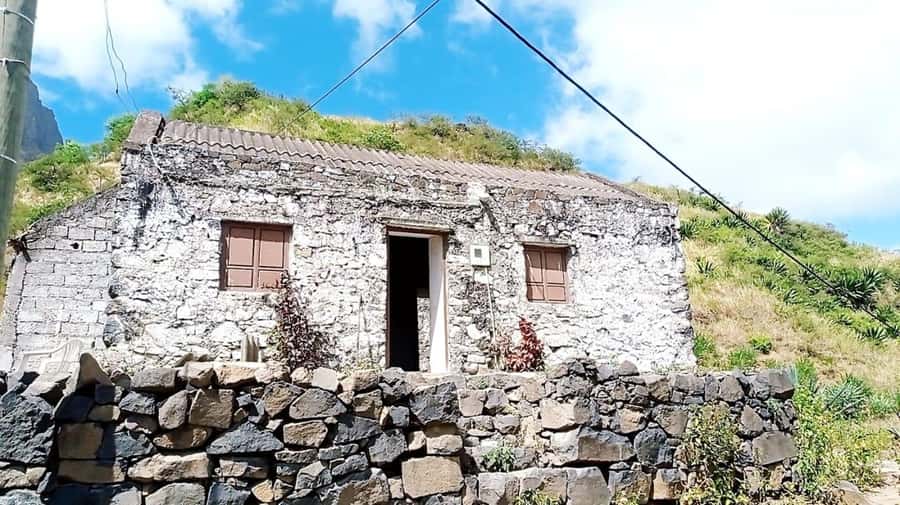
Your day begins with pickup in Praia. The tour includes transport from your accommodation, with the guide waiting at the hotel reception or in front of the accommodation. That removes the usual morning puzzle of finding a meeting point in an unfamiliar city.
The drive takes you toward Longueira in São Jorge dos Órgãos. This change in setting is part of the appeal. Praia gives you an urban base, while Longueira offers a closer look at the island’s farming communities and mountain settlements. You will want a camera ready during the drive because the scenery changes as you approach the highlands.
The tour schedule allows about five hours in São Jorge dos Órgãos, including hiking, stops, and activities. That is a generous block of time, but it does not mean five continuous hours of hard uphill walking. There are photo stops and breaks along the way. Even so, you should treat the day as a proper hike, not a short walk with a scenic stop.
More Hikes in Santiago
- Serra Malagueta: Principal Valley Hike & Lunch with Locals
★ 4.7 · 64 reviews - Santiago Island: Serra Malagueta & Tarrafal Beach Trek Tour
★ 4.8 · 61 reviews - Praia: Baobab Mysterious Tree, Green Valley & Old City Hike
★ 4.8 · 53 reviews
Longueira’s school, eco bar, and rum tradition
On arrival, you pass the local primary school and Lemba Lemba Eco Bar. These stops help place the walk in the daily life of the village. You are not arriving at a marked resort attraction. You are entering a working community, where schools, homes, farms, and small local businesses share the same steep terrain.
You also learn about a local rum distillery. Rum production takes place from January 1 through April 31, according to the tour information. That seasonal timing matters. If your trip falls outside this period, you should not expect the production process to be operating in the same way.
The rum stop adds a useful piece of local context, but it is not the main reason to book this experience. The real value comes from seeing how the village and its farms fit together. The distillery, school, and eco bar make the opening section feel connected to local life rather than built only for sightseeing.
Walking through homes and small farms
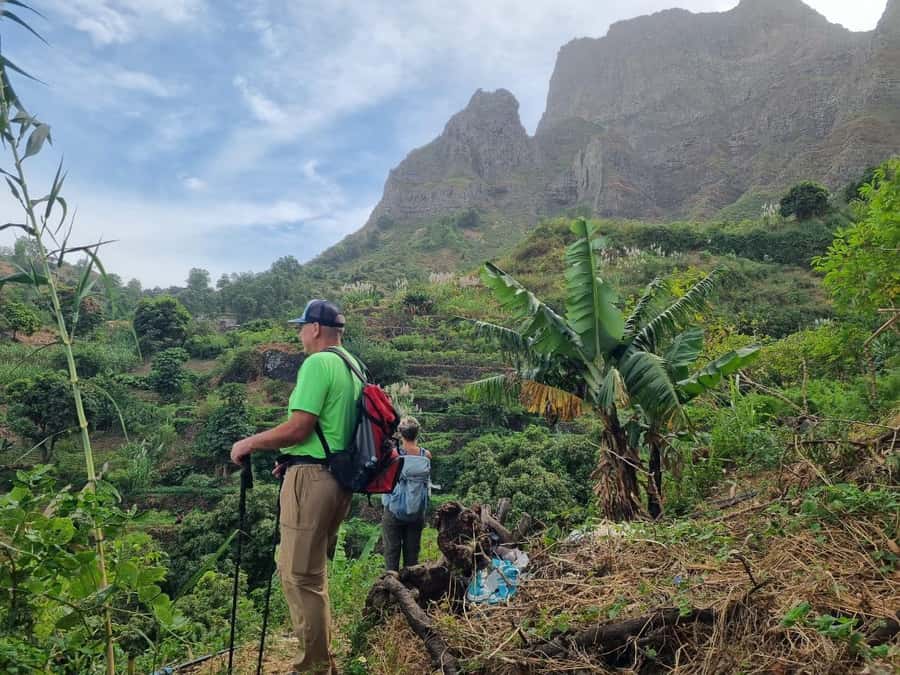
The route toward Pico Riba starts among local houses built into steep rocky ground. This is where the experience becomes more personal. You are walking through a lived-in place, not along a fenced-off nature trail.
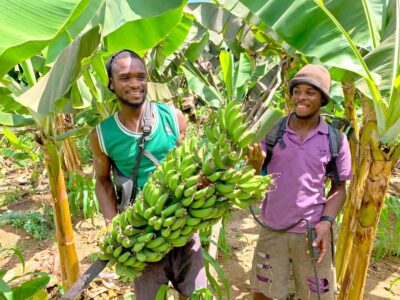
The path passes plantations of mango, cassava, and papaya. These crops give you a direct look at the work behind local food. You may see how farming uses small sections of land on difficult slopes, and you can ask the guide about what grows in the area.
The route’s rural character is one of its strongest points. A standard island drive might show you a valley from the road, but this walk brings you closer to the people who cultivate it. The trade-off is that paths through steep village terrain may feel rough underfoot. Keep your pace steady and let the guide set the rhythm.
A recent booking specifically praised Maria as a professional, cheerful guide who brings Cape Verdean culture into the walk. It also noted that she adjusted the route to suit the hikers’ level. That is important on a demanding route. If Maria is assigned to your group, her flexibility may make the day more manageable, though you should still arrive prepared for the stated difficulty.
Strawberries, seasons, and farm tastes
Fresh strawberries are offered from December to April. This is a small detail, but it gives the walk a memorable local flavor. You are tasting produce grown by farmers in the same area you are visiting, rather than receiving a generic snack from a shop.
Do not book this tour solely for the strawberries. They are seasonal, and the experience remains worthwhile outside the strawberry period because the farms, village life, and views are available for the wider walking route. From January through April, you may also find the rum production visit more relevant because that is the stated production season.
The route includes several crops, so even outside strawberry season, you have something to look for. Mango, cassava, and papaya plantations show how varied the local agriculture can be. I find this sort of detail more useful than a quick list of viewpoints because it gives you a better sense of how people live on Santiago.
A completely different sort of day out:
- Praia: Santiago Island Tour with Tastings and Tarrafal Beach
★ 4.8 · 416 reviews - Santiago: Landscapes, Street Art, and Markets Day Trip
★ 4.8 · 316 reviews - From Port of Praia: Island Tour for Cruise Ship passengers
★ 4.5 · 190 reviews - Santiago Island Tour: Meet with a Local Family & Tarrafal Beach
★ 5.0 · 127 reviews
The 600-meter climb to Pico Riba
The main physical challenge is the ascent to Pico Riba. The figures are straightforward: about 400 meters of ascent and 250 meters of descent, with five hours of total walking. The summit is around 600 meters above sea level.
At the top, you can look across the São Jorge valley, described as one of Santiago Island’s ancient volcanic craters. This is the reward for the uphill work. The view is not just a high point for photographs. It helps you read the island’s volcanic shape and understand how the settlements and farms occupy the valley below.
You will also see Pico D’Antónia, the island’s highest point at 1,394 meters. The hike does not climb to that summit, but seeing it from the São Jorge dos Órgãos area gives the day a larger mountain setting.
The word difficult should be taken seriously. You need hiking shoes or sturdy comfortable shoes, long trousers or hiking pants, sun protection, and a jacket. The supplied guidance also recommends a long-sleeved shirt and biodegradable insect repellent. Sandals and flip flops are not allowed, and they would be a poor choice on steep rocky ground anyway.
A picnic above the São Jorge valley
The picnic is included in the $111 price and consists of tuna sandwiches, fruit, and juice. It is a practical meal rather than a grand spread, which suits a walking day. You can eat without losing time searching for food in a village or carrying a full lunch in your pack.
The setting is the main attraction. The meal takes place with broad views over the São Jorge valley, giving you time to rest after the climb. A picnic also slows the schedule in a useful way. You get a break to take photographs, drink, and regain energy before the descent.
Bring your own water unless the operator tells you otherwise. Water is not listed among the included items, and five hours of walking in sun can make hydration important. Personal expenses are not included, so carry a little cash for anything extra you may want to buy.
The meal will suit hikers who value location and convenience over choice. If you need a special diet, the available information only specifies tuna sandwiches, fruit, and juice, so you should check with the operator before booking.
Descending to Pico Riba village
The walk ends at Pico Riba village rather than returning by foot along the same route. That gives the day a sense of progression and lets you see another part of the local area.
A descent can feel easier than an ascent, but it still tests your knees and balance. The stated 250-meter descent is enough to make proper footwear and controlled steps important. Take care on loose or uneven sections, and do not rush simply because the highest point is behind you.
From Pico Riba, transport returns you to Praia. The full experience lasts about seven hours, including pickup, the countryside visit, hiking, breaks, and the return journey. Check the available start times when booking, since the tour does not list one fixed departure hour.
What the $111 price really covers
At $111 per person, this is not the cheapest way to see Santiago. It is also more than a basic viewpoint transfer. The price includes a guide, transportation, hotel pickup and drop-off, and the picnic. For a small group limited to eight, that package offers solid value if you would otherwise need to arrange a private driver, find the route, and organize food.
The guide is the most important part of the value. The route passes through rural homes, farms, and steep village paths, so local interpretation helps you understand what you are seeing. A guide who adjusts the pace or route can also make a difficult walk safer and more enjoyable.
The price makes less sense if you only want a short scenic stop or if you are not comfortable walking for several hours. In that case, you would be paying for the hiking component you cannot fully enjoy. For an active visitor who wants countryside contact and a structured day from Praia, the inclusion of transport and food makes the cost easier to justify.
The free cancellation policy allows cancellation up to 24 hours before the activity for a full refund. You can also reserve and pay later, which helps if your Santiago schedule is still changing.
Who should book this hike
I would choose this tour if you want to see a rural side of Santiago Island and you enjoy walking as the main activity. It suits people who like farms, village life, local food, and high viewpoints more than polished attractions.
It also works well for visitors staying in Praia who do not want to arrange separate transport to São Jorge dos Órgãos. The included pickup and small group keep the day simple.
I would not choose it for a relaxed sightseeing day. The hike is classified as difficult, and five hours on foot is a serious commitment. The activity is not suitable for pregnant women, wheelchair users, people with mobility impairments, or people with visual impairments.
The language choice is a strong practical point. Guides may conduct the tour in French, Spanish, English, or Portuguese. If you have a preferred language, select it carefully when booking.
Practical preparation for a better day
Wear hiking shoes, long trousers, a comfortable shirt, and a light jacket. The recommended clothing list may seem long for a warm island, but mountain conditions and exposure can change during a full day outside.
Pack a sun hat, sunscreen, camera, and biodegradable insect repellent. The information lists both a sun hat and a hat, which simply means you should bring head protection that works for you. Avoid sandals and flip flops completely.
Your camera will be useful at the São Jorge valley viewpoint, around the farms, and during the approach to Pico Riba. The chance to see local crops and village life is as important as the summit view, so keep the camera ready before you reach the top.
The tour’s only published rating is five out of five from a verified booking by Jerome of France, dated January 2, 2026. His booking specifically praised Maria’s professional and cheerful manner, cultural connection, and ability to adapt the route. He also had the chance to see monkeys, though that is a lucky sighting and should not be treated as a promised part of the tour.
Should you book the Longueira to Pico Riba hike?
Book it if you want an active, small-group day that connects mountain scenery with everyday rural life. The strongest reasons are the farm route, seasonal strawberries, the 600-meter Pico Riba view, and the chance to learn about Santiago from a local guide.
Skip it if you want an easy outing, dislike steep paths, or need guaranteed food choices beyond the listed tuna sandwich, fruit, and juice. For fit hikers prepared with proper shoes and sun protection, $111 buys a well-organized day with transport, guidance, and a memorable view over São Jorge valley.
FAQ
How long does the Longueira to Pico Riba hike take?
The complete activity lasts seven hours. About five hours are spent walking and taking breaks in the São Jorge dos Órgãos area.
Where does the tour begin?
Pickup takes place in Praia, directly from your accommodation. The guide can wait at the hotel reception or in front of the accommodation.
What is the hiking difficulty?
The hike is classified as difficult. It includes about 400 meters of ascent and 250 meters of descent.
How high is the Pico Riba viewpoint?
The summit reached during the hike is about 600 meters high.
Can I see Santiago Island’s highest point?
Yes. The route gives you views of Pico D’Antónia, the island’s highest point at 1,394 meters.
Are strawberries available all year?
No. Fresh locally grown strawberries are available from December to April.
What food is included?
The picnic includes tuna sandwiches, fruit, and juice.
Which languages are available for the guided tour?
The tour is offered with live guides speaking French, Spanish, English, or Portuguese.
Is the hike suitable for wheelchair users or people with mobility impairments?
No. The experience is not suitable for wheelchair users or people with mobility impairments. It is also not suitable for pregnant women or people with visual impairments.
Just added in Santiago
- Explore the Wonders of Lituania from Klaipeda Cruise Terminal★ 5.0 · 2 reviews
- Tarrafal to the Airport.★ 5.0 · 3 reviews
- From Praia: Serra Malagueta to Principal Valley Hike & Lunch with a Local Family★ 4.5 · 2 reviews
- Praia city to the airport.★ 5.0 · 3 reviews
- Hike Tour★ 5.0 · 1 review
- Cidade velha excursion★ 5.0 · 1 review
- Santiago Island: Private Airport Transfer to Praia or Vice Versa★ 5.0 · 3 reviews
- Hiking Águas Belas Cave★ 4.5 · 3 reviews
Santiago Tours, compared.
Santiago Island Tour with Tastings and Tarrafal Beach
Read our review →
Santiago Island Tour: Meet with a Local Family & Tarrafal Beach
Read our review →
Island tour with German-speaking guide for cruise guests
Read our review →
Santiago Island: Highlights of Cidade Velha with Local Guide
Read our review →Browse the lists this tour appears in