
Reviewed · SANTO ANTÃO TOURS
Cooking class in Santo Antão, Cape Verde
Cape Verde tastes better when you help cook it. This four-hour Santo Antão workshop brings you into a local kitchen to prepare cachupa, grilled fish, and traditional side dishes with fresh ingredients. I like the hands-on format and the chance to learn from a local chef, Alice, who was praised for her friendly manner and strong French. I also like that the meal is part of the lesson, not an afterthought. The main consideration is the $153 price, which is high for a cooking class, so you should value the cultural setting and included drinks as much as the food itself.
You will work with the ingredients, use the kitchen equipment, and learn how African, Portuguese, and Creole influences meet in Cape Verdean cooking. The pace suits beginners, according to the available feedback, but the four-hour duration means this is a real workshop rather than a quick demonstration. Transportation is not included, so plan that cost and time separately.
In This Review
- Key points to know before you book
- Why this cooking class adds something to Santo Antão
- Arriving in the kitchen and meeting Alice
- Preparing cachupa, Cape Verde’s signature dish
- Grilled fish and the supporting dishes
- Spices, stories, and the Cape Verdean table
- Sitting down to taste what you prepared
- What $153 buys you
- Who will enjoy this workshop most
- Languages, access, and practical details
- Alice’s teaching style and the beginner experience
- The best questions to ask before booking
- Should you book this Santo Antão cooking class?
- FAQ
- How long does the cooking class last?
- How much does the experience cost?
- What dishes will I prepare?
- Is tasting included?
- Are the ingredients included?
- Are kitchen utensils and equipment provided?
- Are drinks included?
- Is transportation included?
- What languages are available?
- Is the class suitable for beginners?
- Is the activity wheelchair accessible?
- Can I cancel for a refund?
- Can I reserve now and pay later?
Key points to know before you book
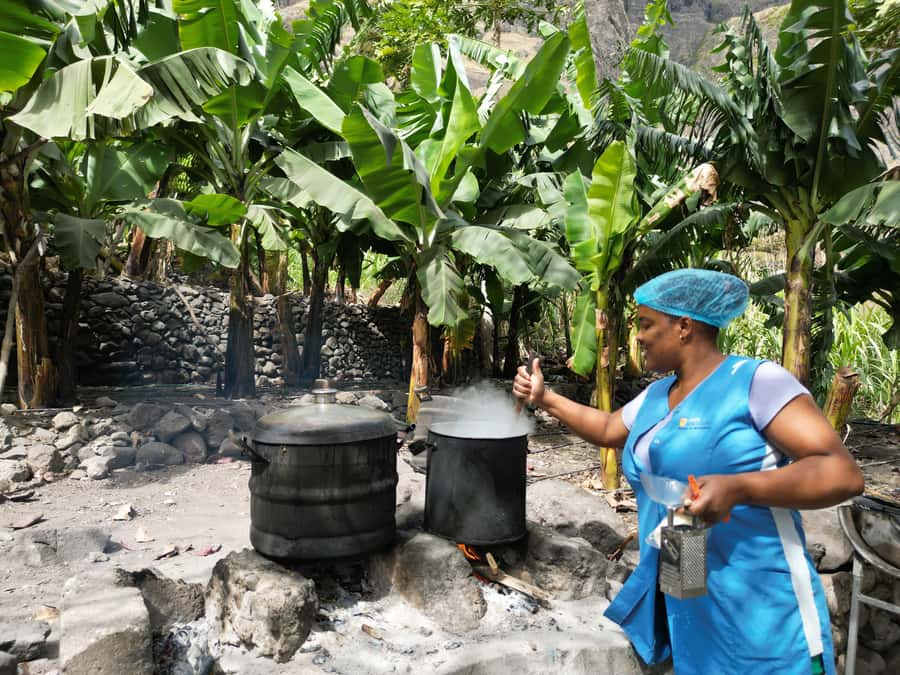
- Cachupa is the main event: Learn to prepare Cape Verde’s best-known dish, then eat the results after it has cooked.
- Alice brings a personal touch: She is described as friendly, a very good guide, and comfortable speaking French.
- Beginners are welcome: The cooking is adapted to people with little kitchen experience.
- Your meal is part of the lesson: You prepare and then taste cachupa, grilled fish, and other local dishes.
- Local drinks are included: The price covers a local punch and rum, though other alcoholic drinks cost extra.
- Plan your own way there: Transport to the workshop is not included, but it can be booked separately.
Why this cooking class adds something to Santo Antão
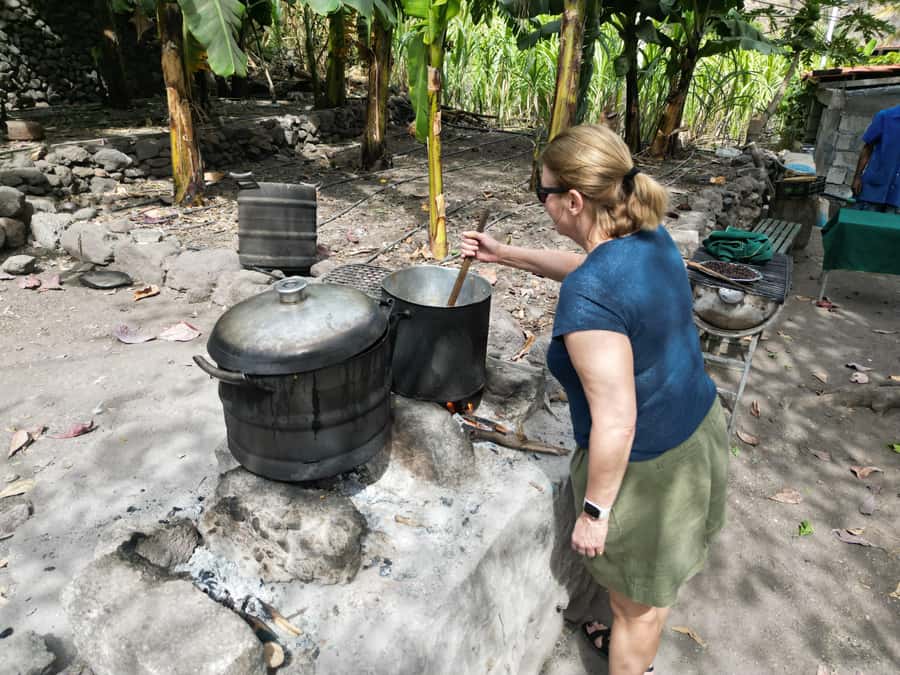
Santo Antão is often associated with walking routes and mountain scenery, but food gives you another way to understand the island. A cooking class slows the trip down. Instead of simply ordering a Cape Verdean meal, you learn how the ingredients become part of daily life and family tradition.
I like this kind of activity because it gives context to dishes you may encounter elsewhere in Cape Verde. The chef explains recipes passed from one generation to the next, along with the African, Portuguese, and Creole influences behind them. You are not just memorizing ingredients. You are learning why the food looks and tastes the way it does.
The setting is described as friendly and participatory. That matters. You are expected to handle ingredients, follow techniques, and take part in the work. If you prefer to sit back while somebody else cooks, this may feel more active than expected. If you enjoy learning by doing, the format should feel natural.
More cooking classes in Santo Antão:
- Sal Island: Catxupa Cooking Class with a local family
★ 4.7 · 72 reviews - Mindelo: creol cooking with Catia
★ 4.8 · 70 reviews
Arriving in the kitchen and meeting Alice
The class begins with a welcome from a local chef and an introduction to the recipes you will prepare. Alice is the named guide associated with the experience, and her French ability is a useful point for French-speaking visitors. The tour also operates in English, Spanish, and Portuguese.
You will get an introduction to the dishes, ingredients, and cooking process before the practical work begins. The available information does not give a fixed group size or a specific workshop address, so you should confirm those details when checking availability.
That missing information is worth noting. A small class can make it easier to ask questions and get involved, but no group-size promise is provided here. I would ask about the expected number of participants if personal instruction is important to you.
Preparing cachupa, Cape Verde’s signature dish
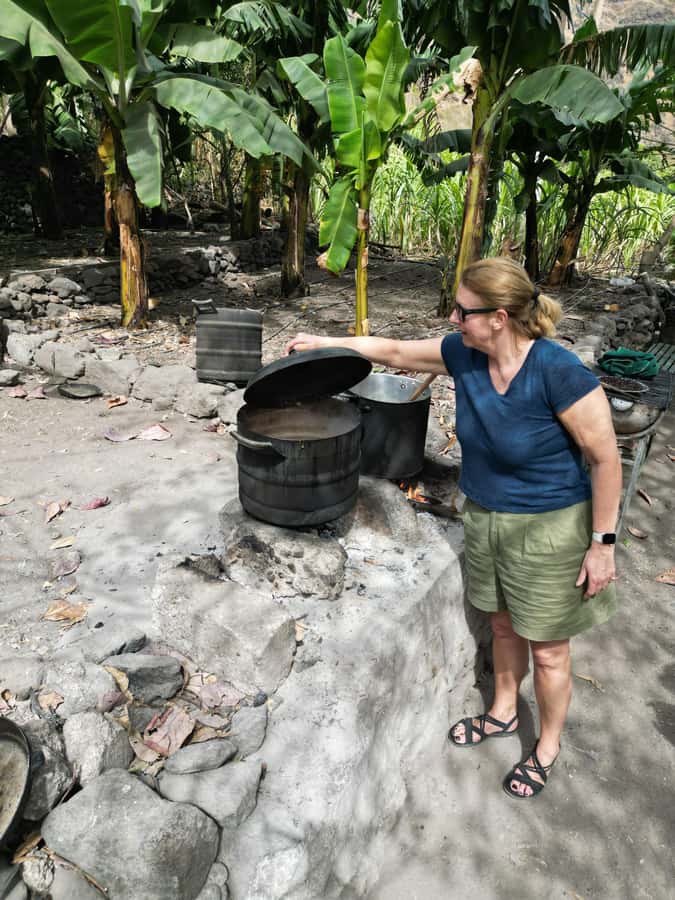
Cachupa is the centerpiece of the class. It is one of the dishes most closely linked with Cape Verdean food, and preparing it gives you a useful look at the patience and process behind local cooking.
You will work with the ingredients and learn the traditional methods used to build the dish. The experience includes the utensils and equipment needed, so you do not need to bring cooking tools. The precise ingredient list is not provided in advance, but the class supplies everything required for the dishes.
The cooking process includes time for the food to simmer before tasting. One especially useful detail comes from the feedback about the class: the tasting after the food has finished cooking is worth the wait. That means the class is not rushed from chopping to plate. The cooking time forms part of the experience.
For a beginner, cachupa can be a good lesson because you see how a substantial local dish develops rather than receiving a quick recipe card with no explanation. You also receive printed recipes to take home, which gives the class value after your holiday ends.
Grilled fish and the supporting dishes
Cachupa is not the only dish on the table. The workshop also includes grilled fish and several side dishes made from fresh local ingredients.
The fish adds a different lesson from the slower cachupa preparation. You get to compare a dish built through simmering with one that depends more directly on the quality of the main ingredient and the cooking technique. The side dishes help show how Cape Verdean meals are assembled rather than presenting one recipe in isolation.
The class description does not specify the type of fish or the exact sides served on your date. That is normal for a local cooking session, where available ingredients can shape the menu. If you have a food allergy or dietary restriction, ask before booking because no allergy policy or substitution details are provided.
The use of fresh ingredients is one of the stronger reasons to choose this activity. You handle the items yourself, learn how they are used, and then taste the finished dishes. That connection between preparation and meal makes the food easier to remember.
More things to do on Santo Antão:
- From São Vicente: Santo Antão Day Trip with Local Guide
★ 4.7 · 101 reviews - Santo Antão Highlights: Day Trip by Car with Ferry from SV
★ 4.8 · 84 reviews - Santo Antão: Day Trip by Car or Trek
★ 5.0 · 72 reviews - Santo Antão: Full Day Island Tour & Visit to Cova de Paúl
★ 4.8 · 54 reviews
Spices, stories, and the Cape Verdean table
The chef also explains the spices and small techniques that give Cape Verdean food its character. The information provided does not name every seasoning, so you should expect guidance during the class rather than a full ingredient list before arrival.
Food here is treated as culture, not simply fuel. The chef shares stories about local cuisine and explains the mixture of African, Portuguese, and Creole traditions. Those influences help you understand why Cape Verdean food can feel familiar in one bite and completely new in the next.
I value this part because it gives the recipes a place in the wider culture. You are not only learning how to reproduce a dish. You are hearing how food traditions continue while modern life changes around them.
The tour also promises photos and objects connected with the experience, though the exact items are not specified. I would treat those as possible keepsakes rather than guaranteed souvenirs with a stated form or size.
Sitting down to taste what you prepared
The tasting session follows the cooking. You eat the dishes you helped prepare in a typical, welcoming setting, with the chef continuing to explain the food and its background.
This is where the four-hour duration makes sense. A shorter class might show you one technique and serve a small sample. Here, you have time for preparation, cooking, conversation, and a proper tasting of the finished dishes.
The included drinks add to the meal. You receive a local punch and rum as part of the price. Other alcoholic drinks are not included, so you should not assume an open bar. Additional meals outside the workshop are also your responsibility.
The supplied feedback specifically notes that the tasting after the simmering process is worth waiting for. That is a useful expectation to carry into the class. The meal is not instant, and the best part arrives after the cooking has had time to do its work.
What $153 buys you
At $153 per person, this is not a budget lunch. You are paying for a four-hour activity, an experienced local chef, the ingredients, kitchen equipment, instruction, the meal you prepare, printed recipes, and a local punch and rum.
The value depends on what you want from a cooking class. If your main goal is to eat cheaply, this will not be the right choice. If you want a guided cultural activity with a full meal and recipes to use later, the price is easier to justify.
I would compare it with the cost of several separate activities. A meal alone gives you the taste. A food talk gives you background. A cooking lesson gives you practical skills. This workshop combines all three, although the price still requires genuine interest in food and local culture.
Transportation is not included. You can book it separately through the provider, but you need to factor that into the total cost. Since the workshop location is not specified here, confirm the pickup or meeting arrangement before you commit.
Who will enjoy this workshop most
This class suits you if you like active cultural experiences and want more than a standard restaurant meal. It is especially well matched to:
- First-time visitors curious about Cape Verdean cuisine
- Beginner cooks who prefer clear, practical instruction
- French-speaking visitors who want to work with Alice
- Couples, families, or small groups seeking a shared activity
- Food enthusiasts who want recipes to take home
- Visitors with enough time for a four-hour session
You do not need advanced cooking skills. The preparation is designed to work for novices, which removes one common worry about cooking workshops.
You may want to choose another activity if you dislike alcohol, have strict dietary needs that have not been confirmed, or want a short lesson with a quick meal. You should also think carefully about the transport arrangement, since getting to the workshop is not included in the base price.
Languages, access, and practical details
The live guide can conduct the experience in French, English, Spanish, or Portuguese. Some content may be presented in its original language, so you may hear local terms or explanations that are not fully translated.
The activity is listed as wheelchair accessible. If you need specific access arrangements, it is still sensible to confirm the kitchen layout and transport details before booking, since the available information does not describe those features.
The duration is four hours, and starting times depend on availability. That makes it important to place the class carefully in your Santo Antão schedule. Do not put it beside another fixed activity unless you have allowed enough time for transport and delays.
You can cancel up to 24 hours before the activity for a full refund. You can also reserve now and pay later, which helps if you are still arranging your island plans.
Alice’s teaching style and the beginner experience
The strongest personal detail available is the praise for Alice. She was described as friendly, a very good guide, and able to speak French well. The same feedback says the food preparation suited complete beginners.
That combination matters more than fancy equipment. A cooking class works best when the instructor explains without making you feel foolish, gives you a clear task, and keeps the atmosphere relaxed. The information here points in that direction.
Still, the exact teaching style can vary by date and group. Alice is the named guide in the available information, but you should confirm who will lead your session if meeting her specifically is important.
The best questions to ask before booking
A few details are not provided, so I would check them before paying:
- Where exactly is the workshop held?
- How many people are expected in the class?
- What fish and side dishes are planned?
- Can the menu be adjusted for allergies or dietary restrictions?
- What transport options and prices are available?
- Will Alice lead your specific date?
- What time does the class begin and finish?
These questions do not weaken the experience. They help you match it to your needs and avoid surprises, especially if you have mobility, food, or scheduling concerns.
Should you book this Santo Antão cooking class?
Book it if you want Cape Verdean food explained from the inside, with your own hands involved. The class offers more than a meal: you prepare cachupa, grilled fish, and side dishes, hear about African, Portuguese, and Creole influences, enjoy a local punch and rum, and leave with printed recipes.
I would be more cautious if $153 feels high for a meal-based activity. The price is easier to defend for someone who values the four-hour cultural lesson, personal instruction, and chance to cook with a local chef. Beginners should feel comfortable, and French speakers may especially appreciate Alice’s language skills.
For a food-curious visitor with room in the budget, this is a worthwhile Santo Antão addition. Confirm transport, menu details, group size, and dietary options first, then book if you want a slower and more personal look at Cape Verdean life.
FAQ
How long does the cooking class last?
The workshop lasts four hours.
How much does the experience cost?
The price is $153 per person.
What dishes will I prepare?
You will prepare cachupa, grilled fish, and various side dishes made with fresh local ingredients.
Is tasting included?
Yes. You will taste the dishes prepared during the workshop.
Are the ingredients included?
Yes. All ingredients needed for the cooking session are included.
Are kitchen utensils and equipment provided?
Yes. You can use the kitchen utensils and equipment provided for the workshop.
Are drinks included?
A local punch and rum are included. Other alcoholic beverages are not included.
Is transportation included?
No. Transportation to the workshop location is not included, but it can be booked separately.
What languages are available?
The live guide can conduct the activity in French, English, Spanish, or Portuguese. Some content may be shown in its original language.
Is the class suitable for beginners?
Yes. The preparation is adapted for people who are new to cooking.
Is the activity wheelchair accessible?
Yes. The activity is listed as wheelchair accessible.
Can I cancel for a refund?
Yes. You can cancel up to 24 hours in advance for a full refund.
Can I reserve now and pay later?
Yes. The activity offers a reserve-now, pay-later option.
Just added in Santo Antão
- Full-Day Hiking Experience Ponta do Sol – Fontainhas – Cruzinha with Lunch★ 5.0 · 1 review
- Private Day Trip to Santo Antão with Lunch★ 5.0 · 1 review
- Santo Antão: Hike Ponta do Sol – Fontainhas – Cruzinha★ 5.0 · 6 reviews
- Best of Santo Antão: 3 days hiking tour★ 5.0 · 2 reviews
- Discovering Santo Antão Island by car★ 5.0 · 2 reviews
- Cape Verde – Santiago, Fogo, São Vicente & Santo Antão Islands 11 Days★ 5.0 · 3 reviews
- Shore Excursion, Santo Antão, Full Day, Highlights by car★ 5.0 · 2 reviews
- Santo Antão: Remote Mountain Villages Hike★ 4.4 · 2 reviews
Santo Antão Tours, compared.

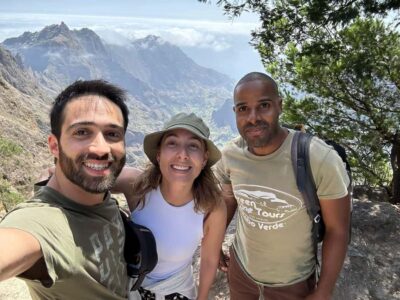
Santo Antão Highlights: Day Trip by Car with Ferry from SV
Read our review →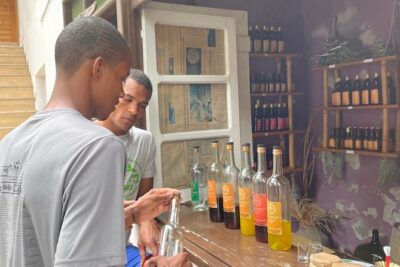

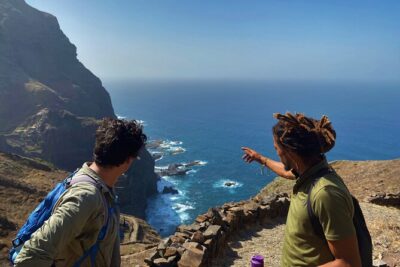
Full-Day Island Tour in Santo Antão with Lunch Included
Read our review →

Trekking Cova de Paúl Volcano Crater – Ribeira de Paúl
Read our review →Browse the lists this tour appears in